How to read the project’s outcomes
The five conditions fixed before anyone has an interest in the answer. →
Today’s support funds a position on a concrete operation:
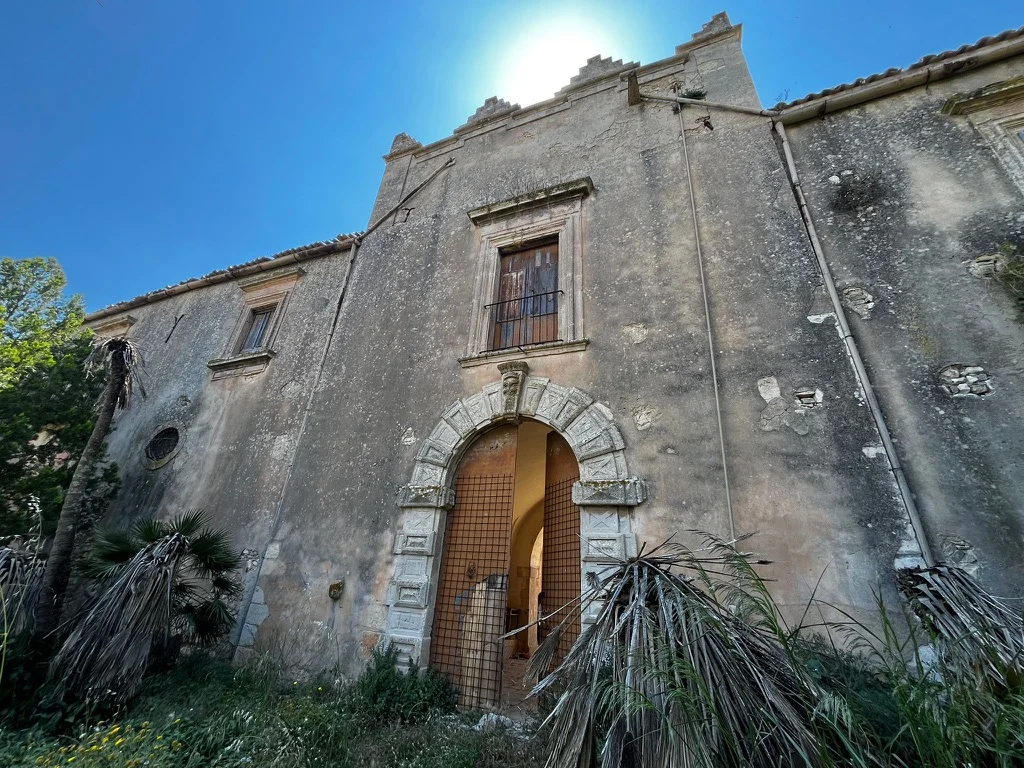
the building has been identified, the owner is a single person willing to sell, the price has already been stated.
The current phase has a precise object: to obtain contractual control of the property for eighteen months, and to produce within that term the five elements that make the next phase fundable:
1.A purchase option or a long-dated preliminary contract, locking the price and the availability of the property for the length of the next fundraising.
2.A bill of quantities for the restoration, replacing working assumptions with a verified cost.
3.The legal entities constituted, with statutes, internal rules and arbitration rules drafted and filed.
4.The preliminary design and the building application filed, with the authorisation timetable started rather than still to start.
5.The written commitment of the first three masters trained in Fez, which is the only proof that the model is acceptable to those who will have to live in it.
At the end of the phase the building is bound, and this is why the main item of the budget is the deposit or the price of the option.
The five conditions fixed before anyone has an interest in the answer. →
Phase contribution. Structurable in two alternative ways, to be defined with whoever subscribes it: conversion of the amount into a share of the acquisition vehicle on preferential terms; a right of first refusal on participation in the next round, or alternatively in the Dar al-Diyafa vehicle, which is the part of the operation with revenue and a way out.
Support for a single element. The equipment of a workshop, the first year of a master, the rebuilding of the dry-stone walls, the water system of the courtyard.
Commissions. Ordering real work from the workshops from the first year is worth more than a contribution of the same amount, because it tests the only thing that decides whether the house lives.
Skills. An engineer, a restorer, a lawyer, an Arabist, a client who opens a door.
The project rests on the capital of those who support it and on the work of the workshops, and follows the ordinary procedures like anyone else.
Those who support the project acquire no powers over the assembly (the clause is on the page The government of the house→): decisions stay with those who live and work there, and who answer for the place. This is the responsibility the Faro Convention speaks of:
“[The Parties undertake to utilise all heritage aspects of the cultural environment to] reinforce social cohesion
by fostering a sense of shared responsibility
towards the places in which people live”
Council of Europe Framework Convention on the Value of Cultural Heritage for Society, Faro, 27 October 2005 (CETS No. 199), Article 8(c)
Those who cannot support the project today can still follow it closely: the newsletter is sent a few times a year, in the language chosen when entering one’s email.
See also, in Fez, Supporting the Riad→.
The project was conceived by Pietro Siffi, who leads it through the pre-project phase; once the operational phase begins, it will be followed by a consortium formed for the purpose.

Who conceived the project, his background and the structures that will carry it are described in Conception and structure→.
The assembly decides on its own: its resolutions are not subject to approval, veto or reform by the founder, who has no powers of appointment and no additional voting rights. The clause is set out in full on the page The government of the house→.
He is reserved a personal, lifelong and non-transferable right of lodging in the premises designated for the purpose, constituted by notarial deed. Whoever lives in the house by virtue of that right observes the common rules like every other resident: if he is a member he has one vote like every other member, if he is not he does not take part in the deliberations. This provision too can be amended only unanimously.
The reason for the clause is practical: a project of this kind holds if from the outset it rests on rules that do not depend on the person who started it. If the statutes work, others will be able to found the same house again without the one who wrote them.
The Sicilian house and the one in Fez, Riad Al-Uns→, share the same pact, Al-Mithaq, and share nothing in property. They are two distinct tests of the same framework in two legal systems and two traditions, and for this reason the statutes were written first in Sicily and then rewritten in Morocco without altering their fundamental clauses.
See also: The government of the house→.
The sequence is built so that at the end of each stretch there is a decision to take, and not merely a progress to note.
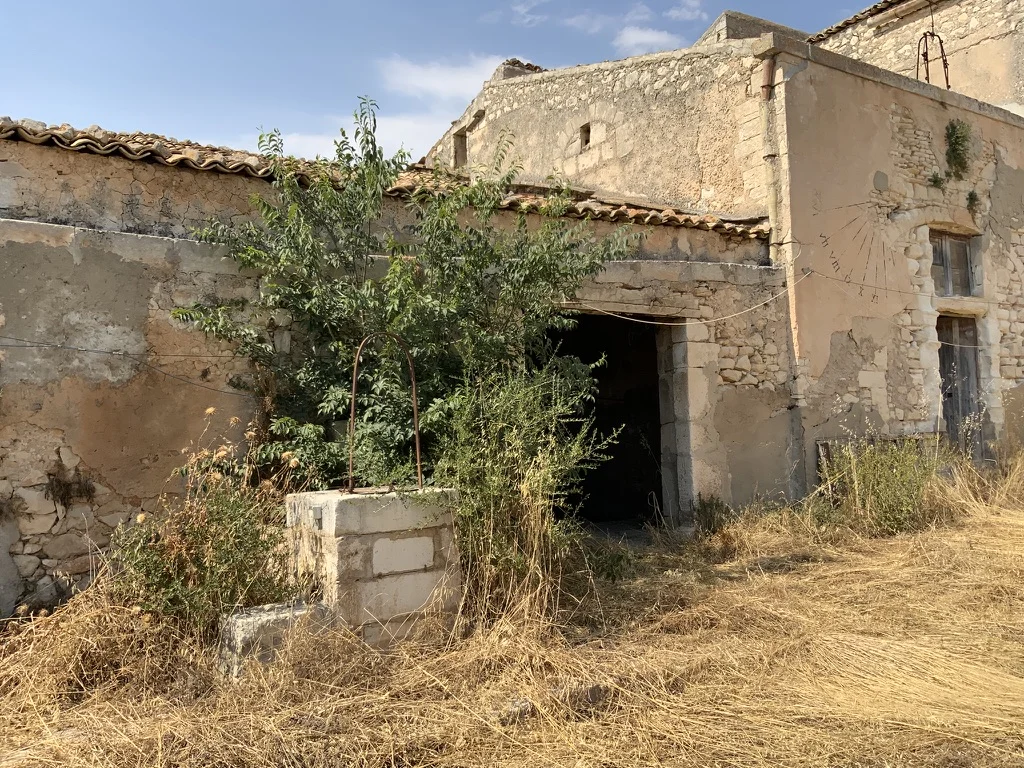
Eighteen months, now under way:
purchase option or long-dated preliminary contract;
engagement of the engineer, survey of the buildings, verification of planning and cadastral compliance;
bill of quantities;
constitution of the legal entities with statutes, internal rules and arbitration rules;
preliminary restoration design and filing of the building application;
missions to Fez to identify the masters.
The decision at the end: whether the statutes survive the encounter with a notary and a lawyer without losing their substance, and whether the verified cost of the restoration stays within the order of magnitude declared. If the two figures diverge, the document is updated instead of bringing the estimate into line.
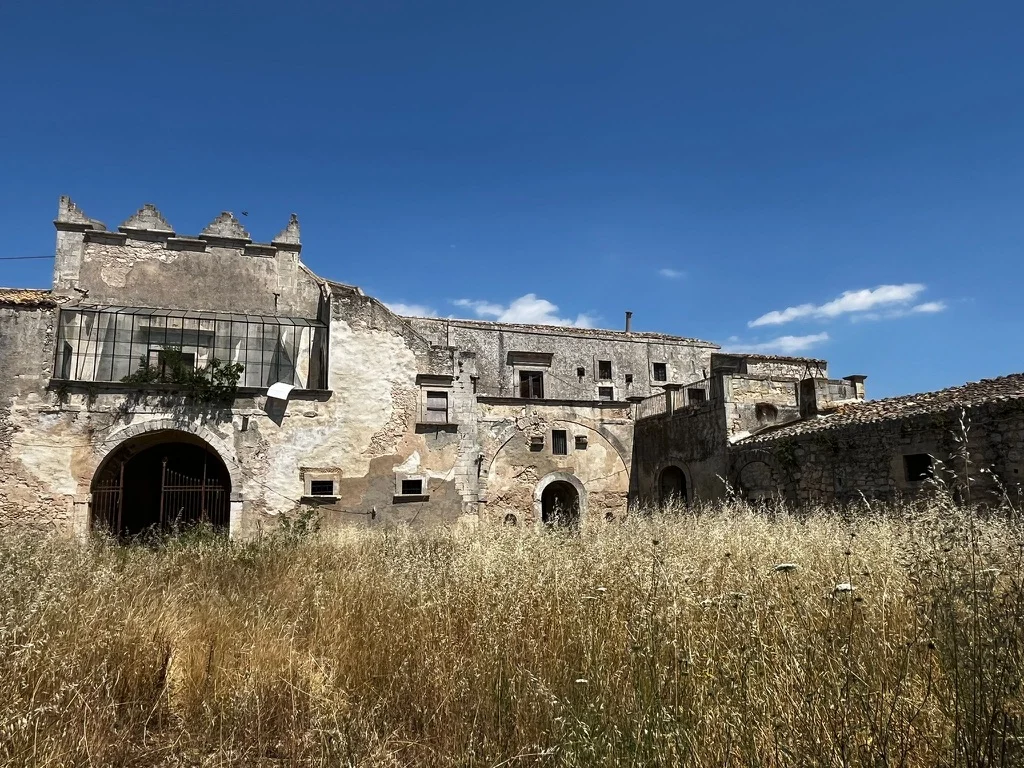
Acquisition, recovery of the two thousand five hundred square metres, workshops, fitting out, technical costs, start-up of the masters’ cooperative, keep of the apprentices and of the young men on trial, working capital. The structures and services are entrusted to a qualified contractor; the craft work of the restoration remains to the masters of the network and the young men on trial, as experience and as an occasion for choosing.
The decision at the end: whether masters of recognised standing, trained in Fez, accept the terms, arbitration clause included. It is the test that comes before all the others and that no document can anticipate.
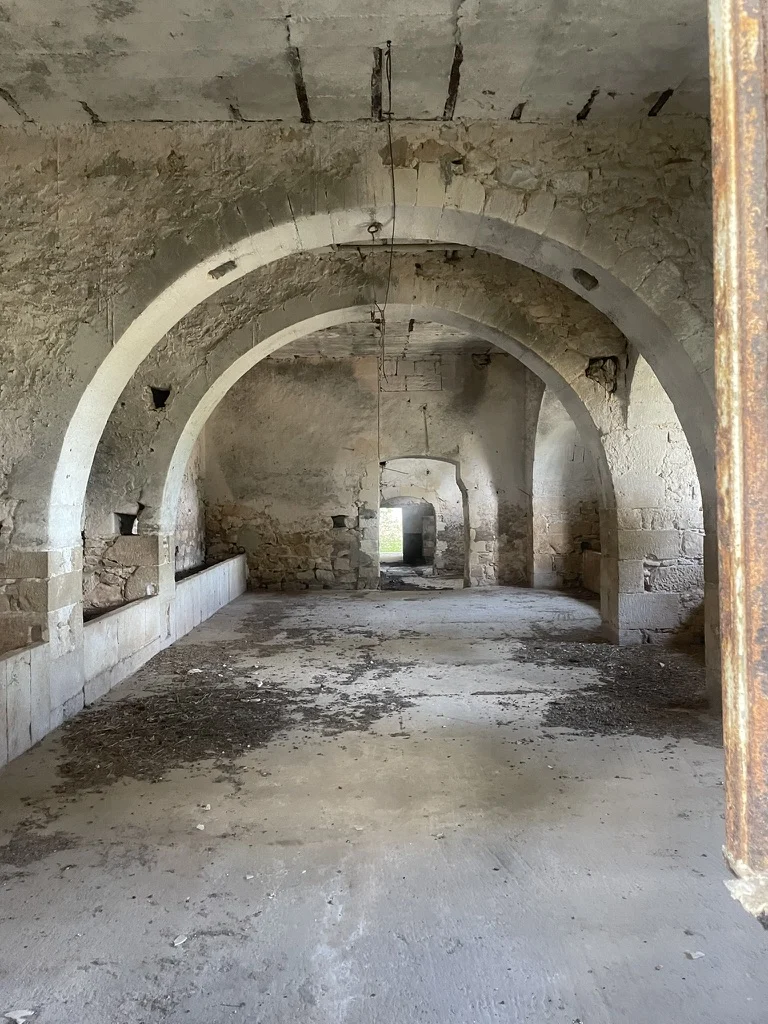
First commissions and first outside sales, first passages to Fez of the young men selected, first affiliations of ḥawānīt. The proceeds from the sale of work are measured from the sixteenth month and reported, instead of being estimated in advance.
In the first three years the house does not aim at breaking even, like no house of craft at its start, and must establish whether the work sells at prices that sustain the masters, and what share of the total cost it covers: that share, measured and not estimated, is the figure on which the opening of further workshops is decided.
Review of the project’s outcomes→, and publication of the statutes and of what has been learned. The options are three: to open further workshops or a second funduq, to amend the statutes, or to stop.
See also: How to read the project’s outcomes→.
The words of this page are in the common glossary; the works cited in the sources; the sister house is Riyāḍ al-Uns.