Rules by contract
Why a contract holds where an administrative concession gives way, and what one gives up obtaining by this route. →
A house of work of the crafts, within the Al-Mithaq network:
the masters trained in Fez practise their craft here,
the young men who ask to enter are put to the test here,
under rules of work and conduct
accepted at the moment of admission.
What distinguishes this house from a craft workshop or an artists’ residence lies in the way its rules acquire their force. The internal rules differ from those of the surroundings because the members have accepted them by contract on joining, and not because a public authority has granted an exemption over a territory. No exemption is asked of any administration, and there is therefore nothing that a later administration could revoke. The ordinary permits (building, health, water abstraction) are applied for and obtained as anyone applies for them, and they do not touch the way the internal rules acquire their force.
The historical model is the funduq, which the Venetians called fontego: a house kept by a community in a city not its own, with an internal discipline, the settlement of disputes among its own members and a place of worship of its own. The institution worked reciprocally between two civilisations for about four centuries, and as long as it worked in both directions it worked well.
In the Al-Mithaq network the house in Fez, Riad Al-Uns, trains the masters and keeps the rule. The Funduq holds three functions of its own. It gives work to the masters trained in Fez, who will practise their craft there for some years through a masters’ cooperative, on real commissions and with access to European markets. It recruits and tests the young men who ask to enter: whoever passes the trial and the period of first selection may go on to Fez for the full apprenticeship. It brings the civilisation of craft into Europe, with the guesthouse, the public programme and the evening course.
The two houses are equal in rule and in dignity, and distinct in function: the house in Fez trains the masters, the Funduq gives them work and chooses the young men who will go to Fez. The overall design of the network, with the affiliated workshops and the teams of Al-Khayma, is on the page The network→.
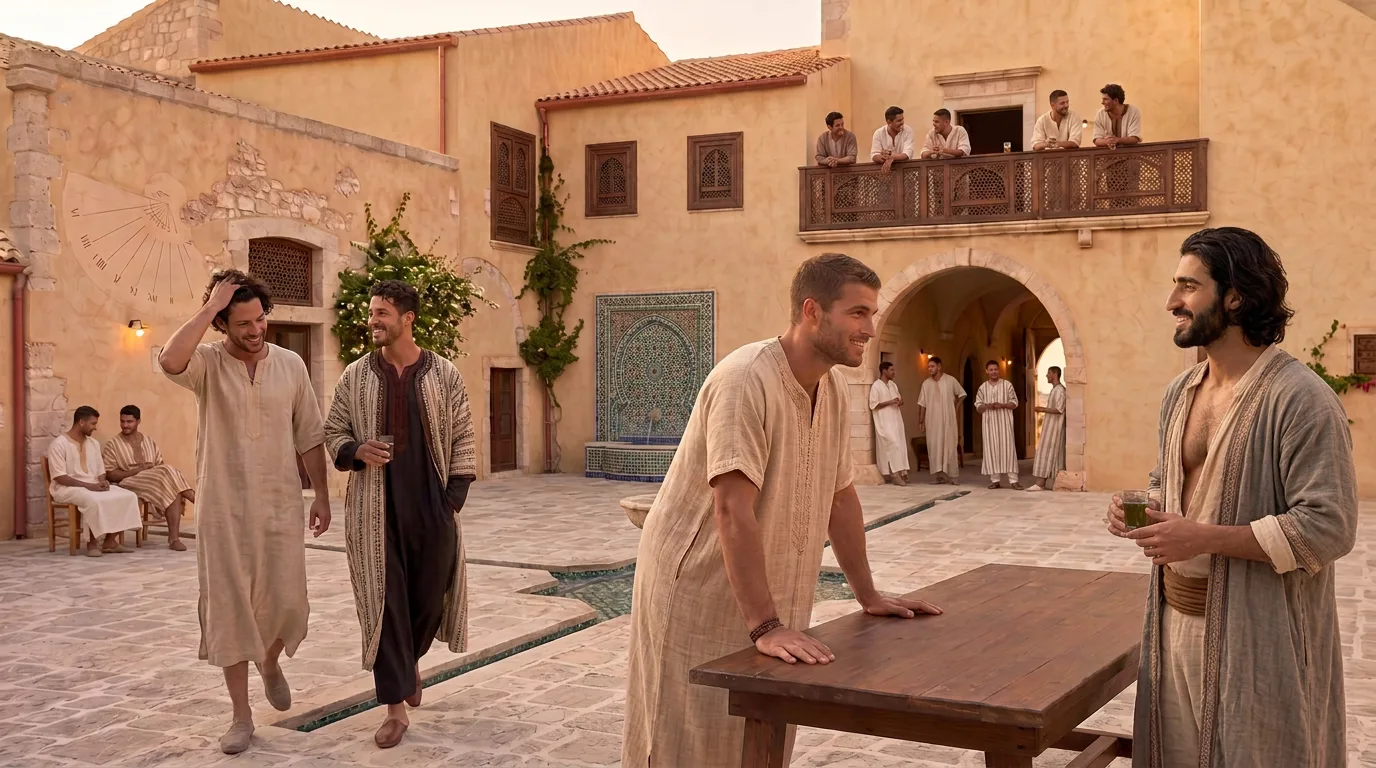
The house will keep the measure of a community whose members know one another. At the opening three masters trained in Fez will live there, each with an apprentice from the place; beside them, in turns, six to ten young men on trial and in first selection, and with them the trainees and the guests of the short residencies. Other workshops will be added when the house in Fez has trained masters in other disciplines. When the network grows, it is the places that multiply, while the residents of each remain few.
The disciplines planned remain six: calligraphy and the book, zellige, plaster and muqarnas, weaving and brocade, wood and carving, saddlery in the combined working of leather, wood and metal. At the Funduq each will enter with a master trained in Fez, or through a ḥānūt of the network that has already grown it, as the page The network→ explains.
Admission. By individual application, on aptitude and commitment. Whoever is admitted becomes a rafīq, a companion.
Residence. The rafīq live in the house; whoever lives elsewhere, with the assembly’s consent, remains an exception.
Free withdrawal. Without penalty or payment, with one’s own tools and whatever has accrued.
Reciprocity. The statutes and the rules are available, on the same terms, to any community that intends to found a similar house.
The clauses are set out in full on the page The safeguards→.
The association is not a religious body, does not conduct worship, is not the expression of any confession or religious authority and does not proselytise. The religious affiliation of the rifāq is their own affair; the house makes a space available for the prayer of those who wish it, and neither attendance nor abstention has any bearing on admission, on membership rights, on the assessment of the work or on continued residence. The wording also has a practical reason, since a religious body falls under a regime of its own and the ambiguity would make registration in the national register of the Third Sector uncertain. Admission is therefore mixed in faith and culture, and secular: common life among young men of different cultures (workshop, shared meals, horsemanship and the disciplines of furūsiyya) is the concrete trial of an ordered coexistence, more than a programme of dialogue, and from it there may arise, if it arises, a civil bond between Europe and Morocco, or other Arab countries.
Nor is it a welfare scheme. The members bring their own craft, their own masters and, where they have them, their own means; the house is founded by the community that lives in it, and selection at the entrance is strict. Once admitted, hours, table, lodging and common services are the same for everyone, and no outward distinction of treatment is allowed on account of anyone’s economic or family circumstances.
Nor, finally, is it a cultural centre that hosts artisans. The production is fine craftsmanship made to commission, in single pieces or short series, for architecture and interior practices, restoration sites, institutions, collectors and art publishers. The house does not produce catalogue objects and does not sell to the casual visitor, for an arithmetical reason before an aesthetic one: work sold at retail margins does not sustain properly paid masters, and a workshop that begins to make small objects for sale stops being a house of craft within two years.
Why a contract holds where an administrative concession gives way, and what one gives up obtaining by this route. →
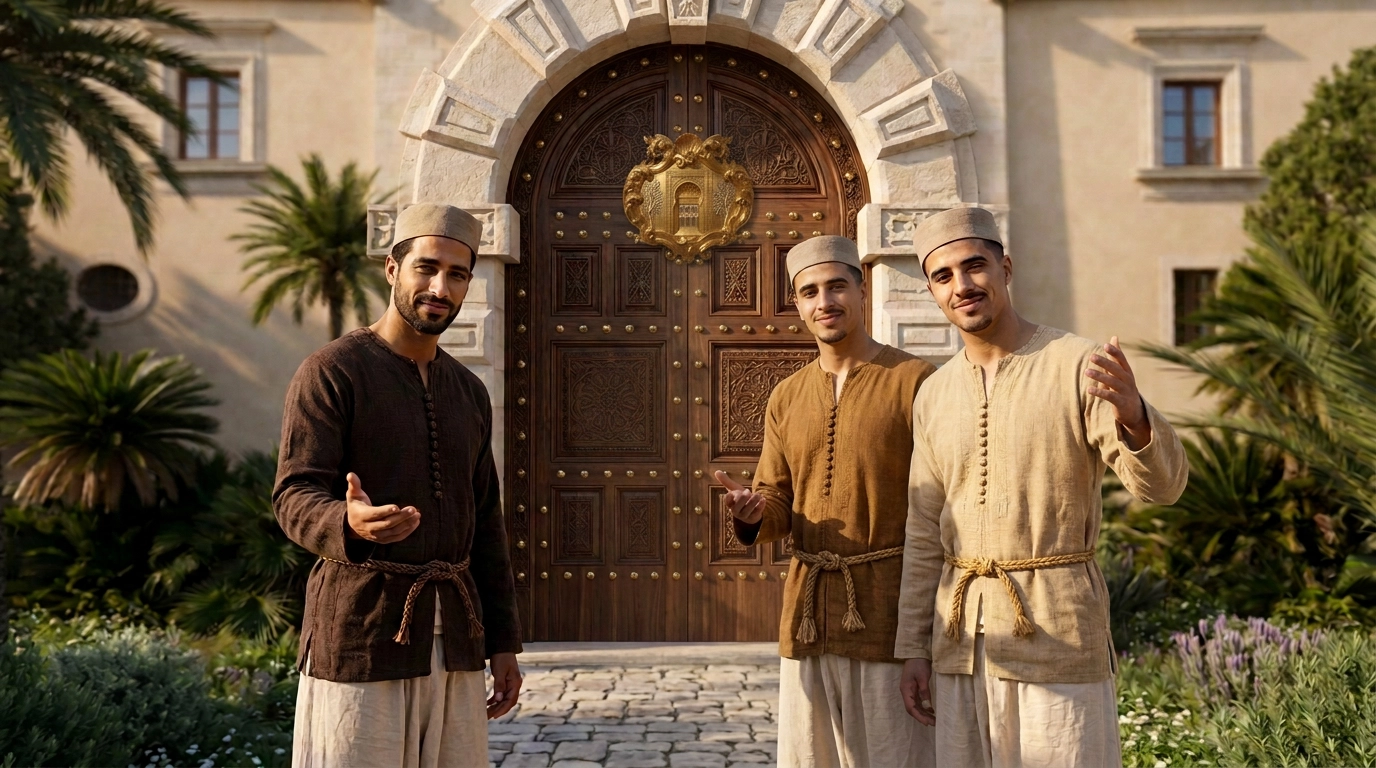
The clauses that prevent the house from becoming what the fondaco became when it stopped being reciprocal. →
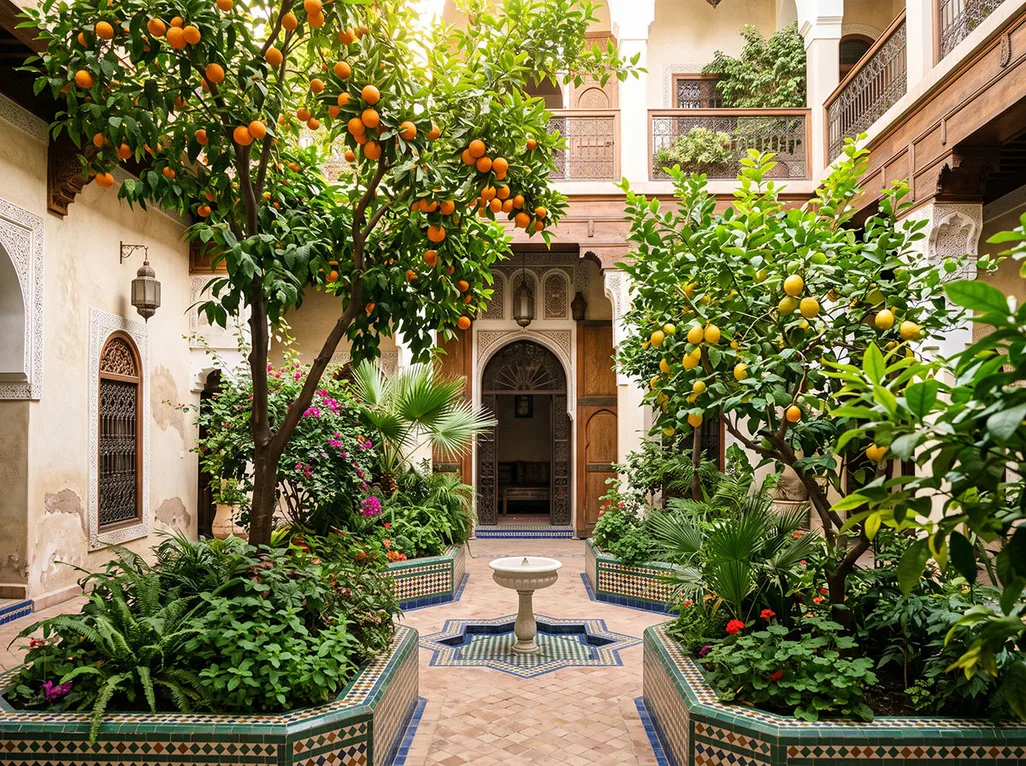
Association, arbitration among the members, and the limits declared before anyone asks for them. →
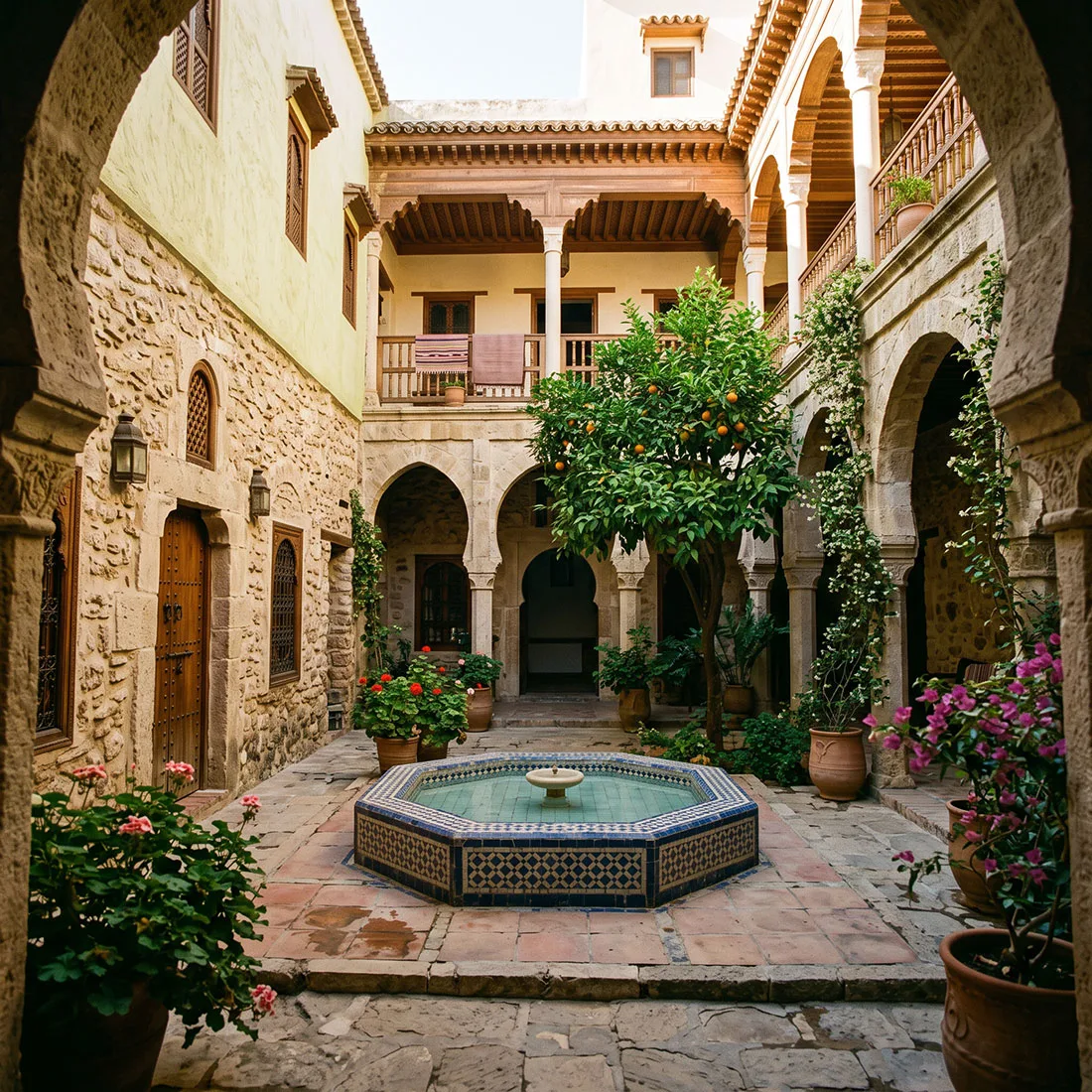
The House, the farm and Dar al-Diyafa for a fee: separate accounts and written relations. →
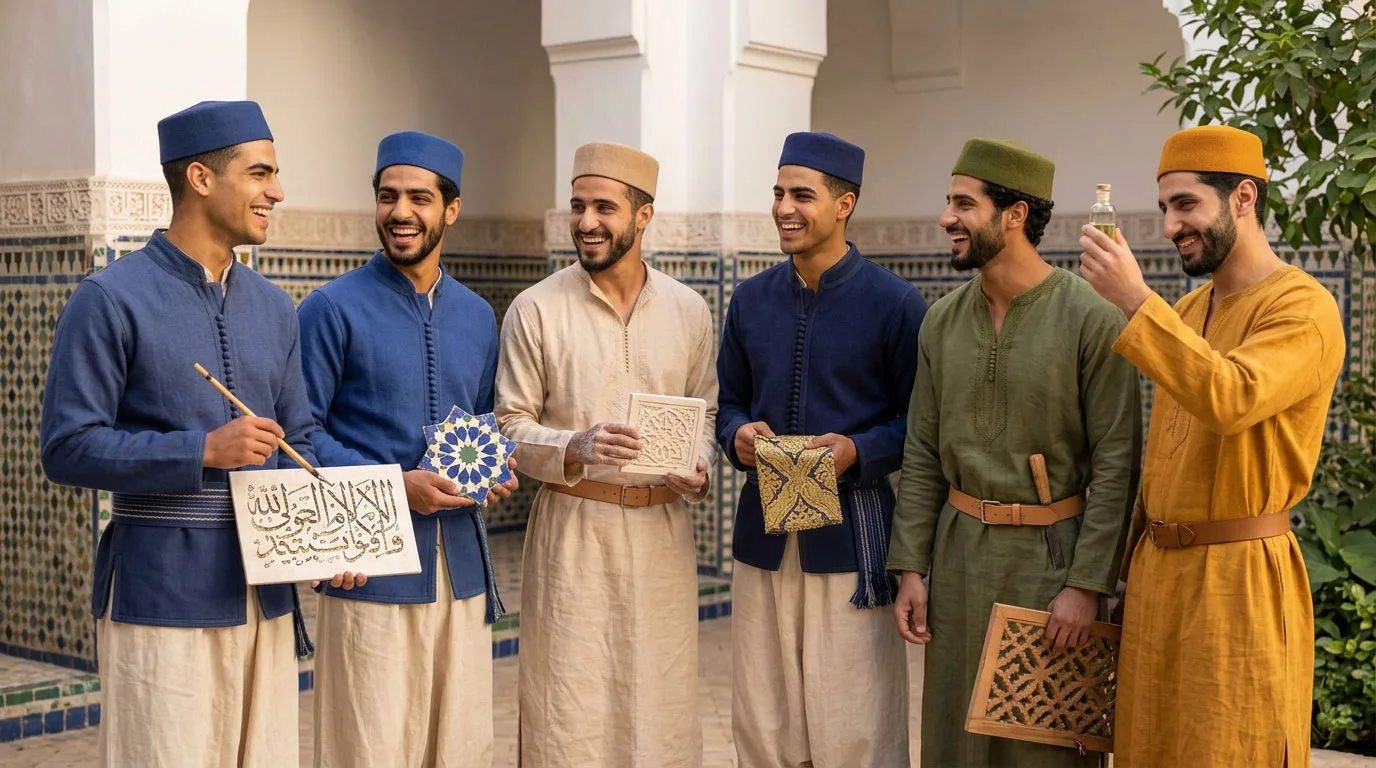
One vote each in the majlis, hierarchy only in the workshop, a niẓām revised by the rifāq. →
Why the product is the statutes and not the building, and what sanction holds a federation together. →
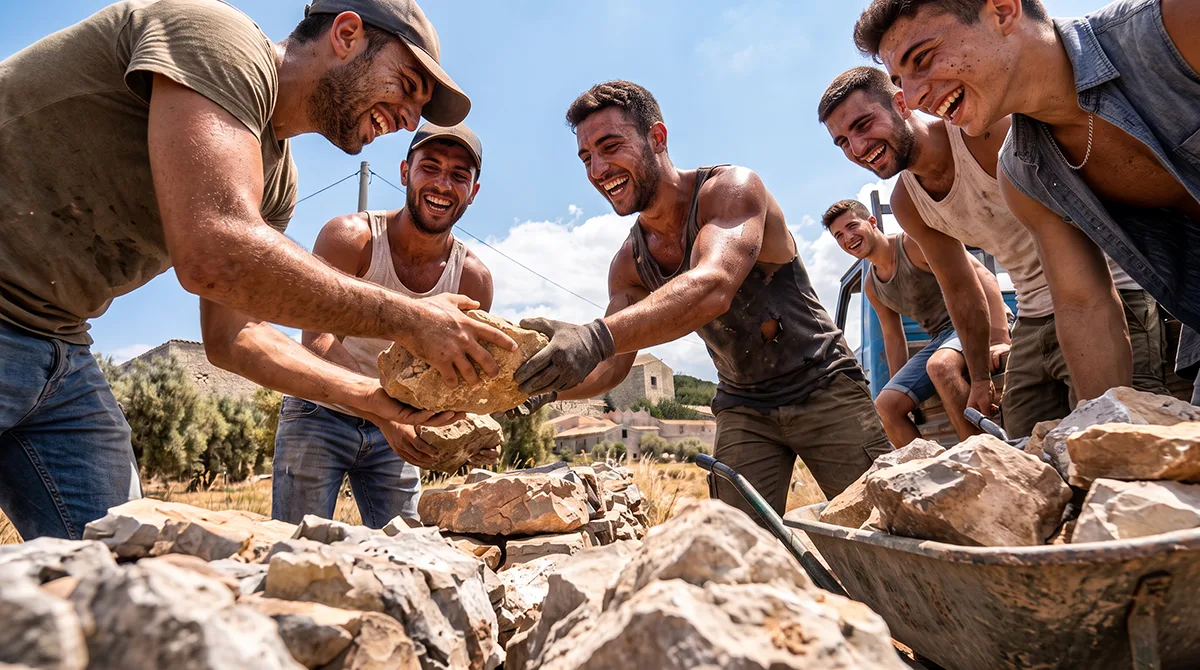
A house of craft and of work on the Hyblaean plateau. Its workshops will open with the masters trained in Fez, and with commissioned work.
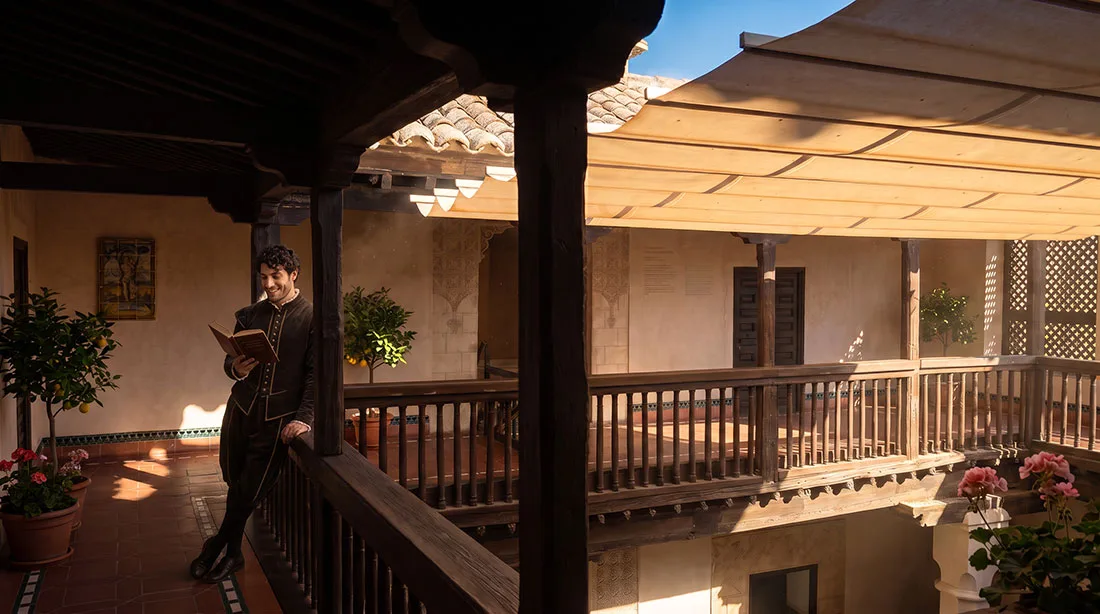
The house addresses two kinds of people. To the masters trained in Fez it will offer a workshop, commissions and a market; to the young men who want to learn a craft through practice and common life it will offer the trial, a first training at the bench and, to whoever is judged capable, the road to the house in Fez. Both are admitted by name and on their own application, whatever their origin.
The bench and the discipline of the craft. Studio elaboration
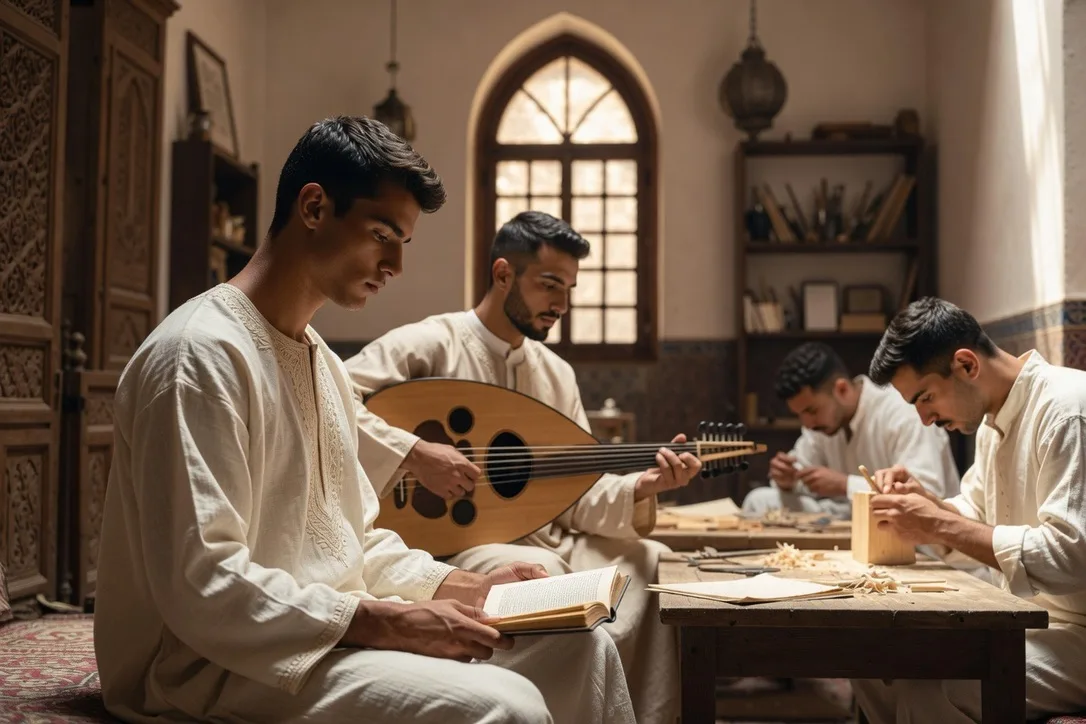
What will be transmitted is a workshop pedagogy, rooted in futuwwa→ (a code of honour and loyalty among workshop companions) and in furūsiyya→ (horsemanship, archery, swimming, discipline of the body) practised here as sporting arts and as formation of character.
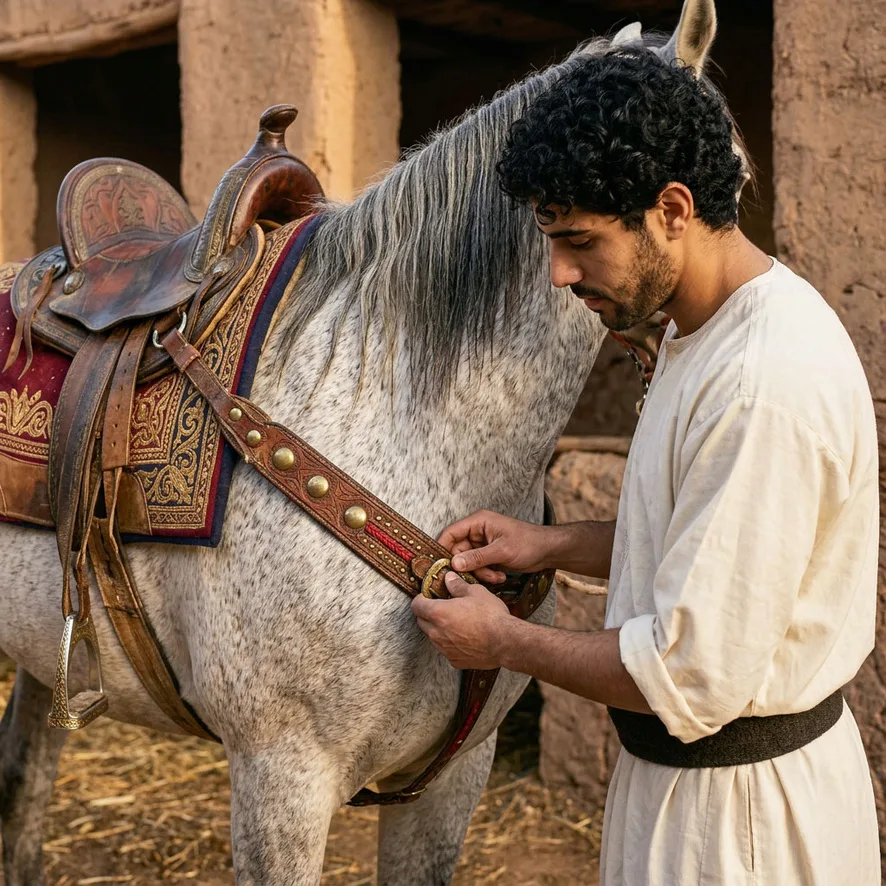
The horse
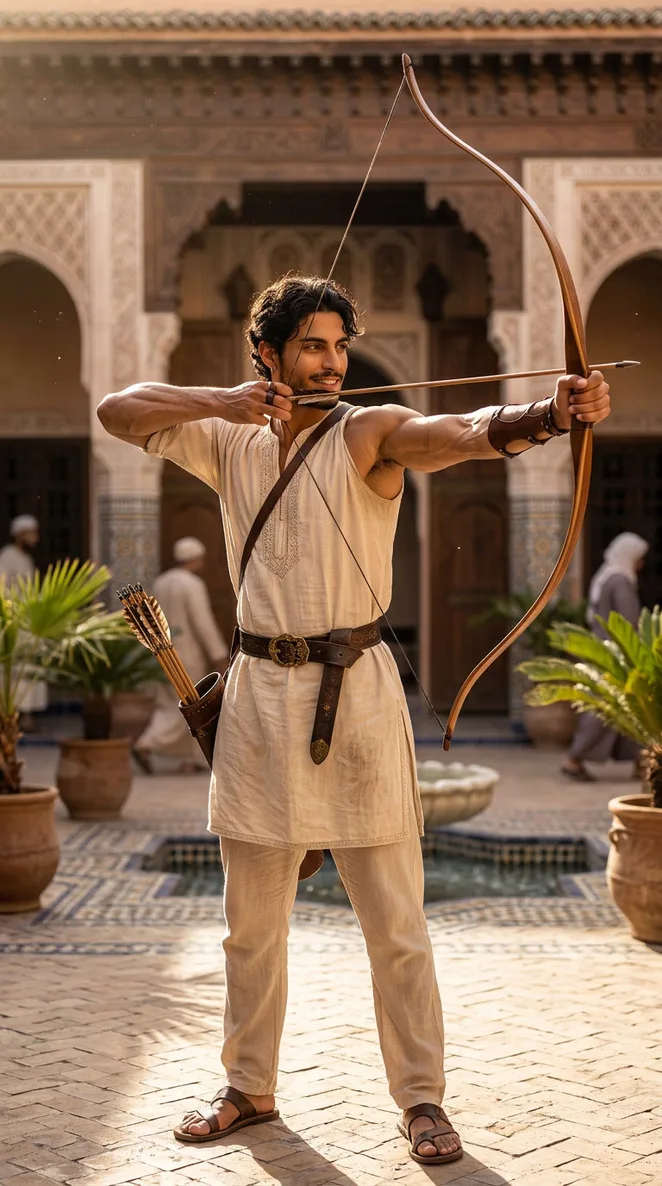
The bow
One is admitted by name and by aptitude, not by faith: whoever practises Islam will find place and respect here, as in the historical funduq and as in Venice at the Fontego dei Turchi→. In Ragusa the threshold is secular, in Fez the Riad Al-Uns will hold the same rule on a threshold marked by prayer: the two houses are equal in rule and in dignity, and distinct in function; the rest is set out in What the Funduq is→.
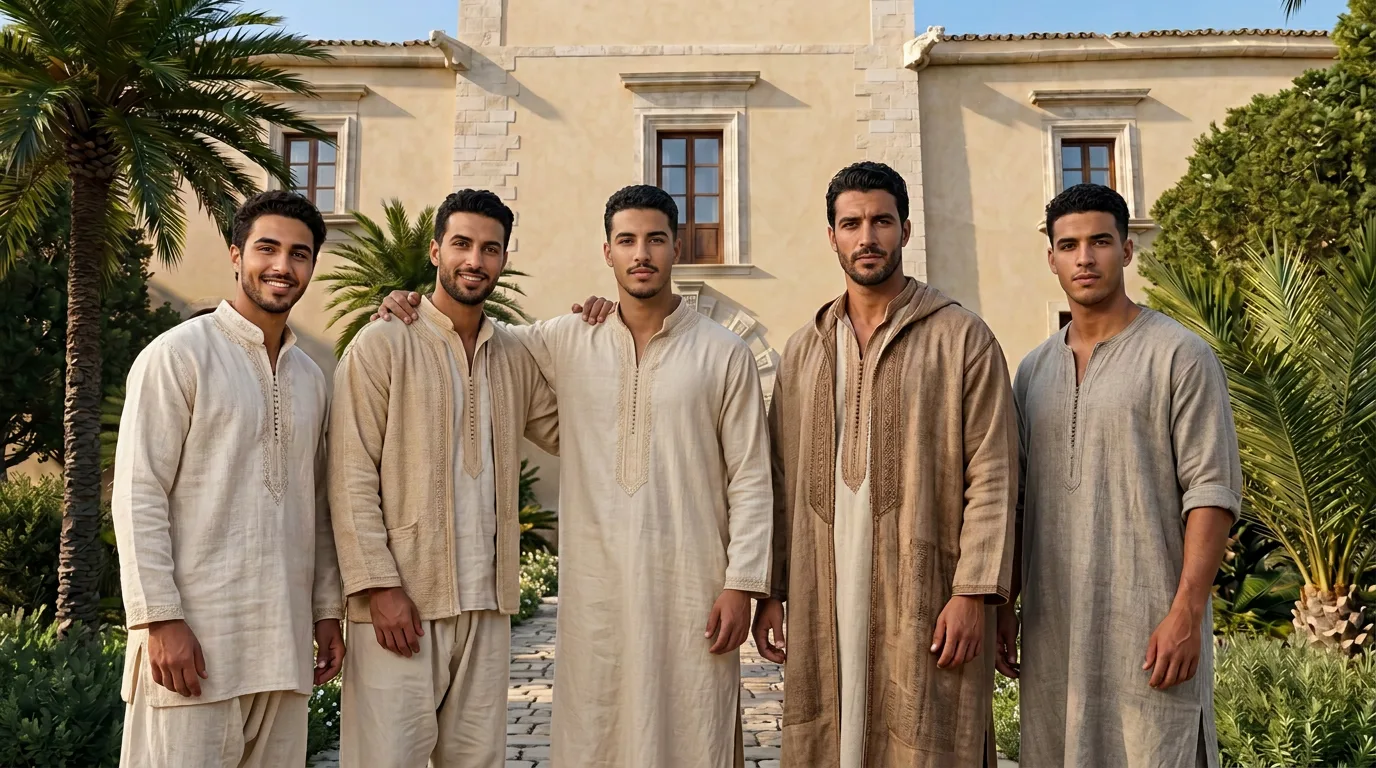
Everyone stands under the same discipline and is judged on the work, not on origin: mutual knowledge, if it comes, will come from the shared craft.
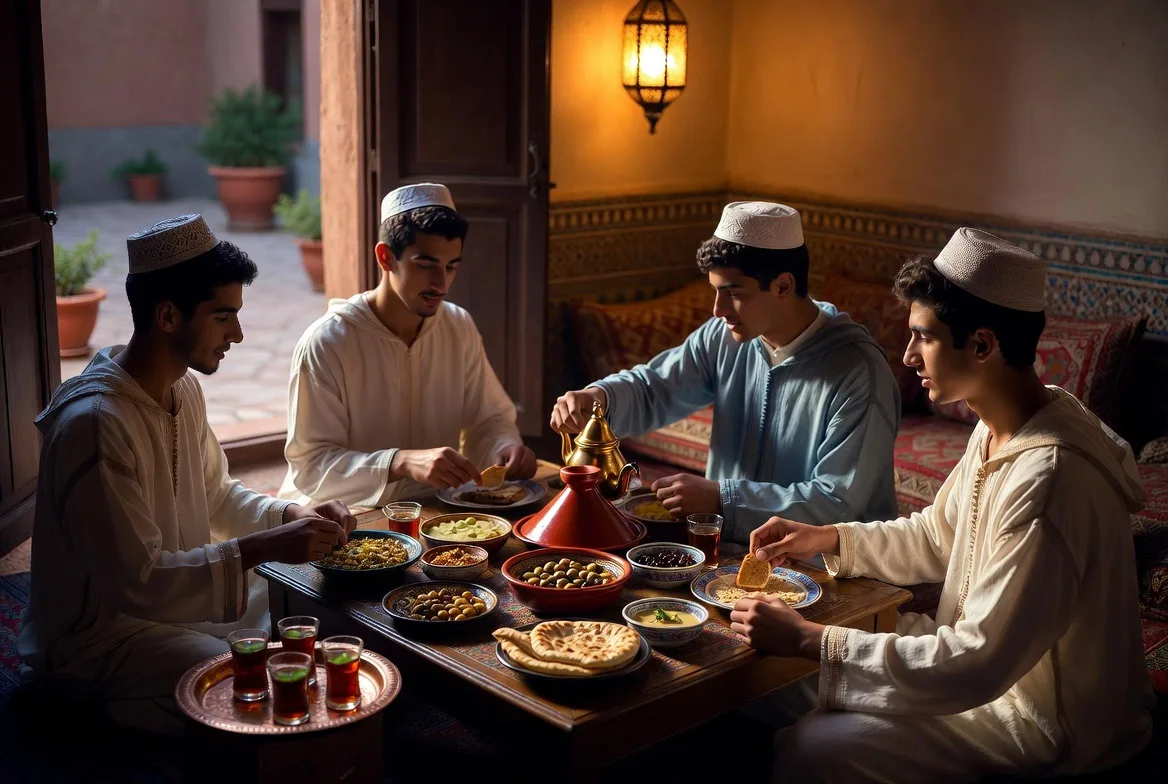
The words of this page are in the common glossary; the works cited in the sources; the sister house is Riyāḍ al-Uns.