Where to begin
The site is large: two houses, a guesthouse, the workshops, the rule and the papers that support it. This page offers four paths, according to the reason one comes. Each lists the pages to read, in the order in which it is best to read them.
The parts of the site
The bar at the top distinguishes Al-Mithaq from the three bodies: Riad Al-Uns, Al-Funduq as-Siqilli and Al-Munya. In each body the header shows its pages, and the same bar leads back to the shared charter.
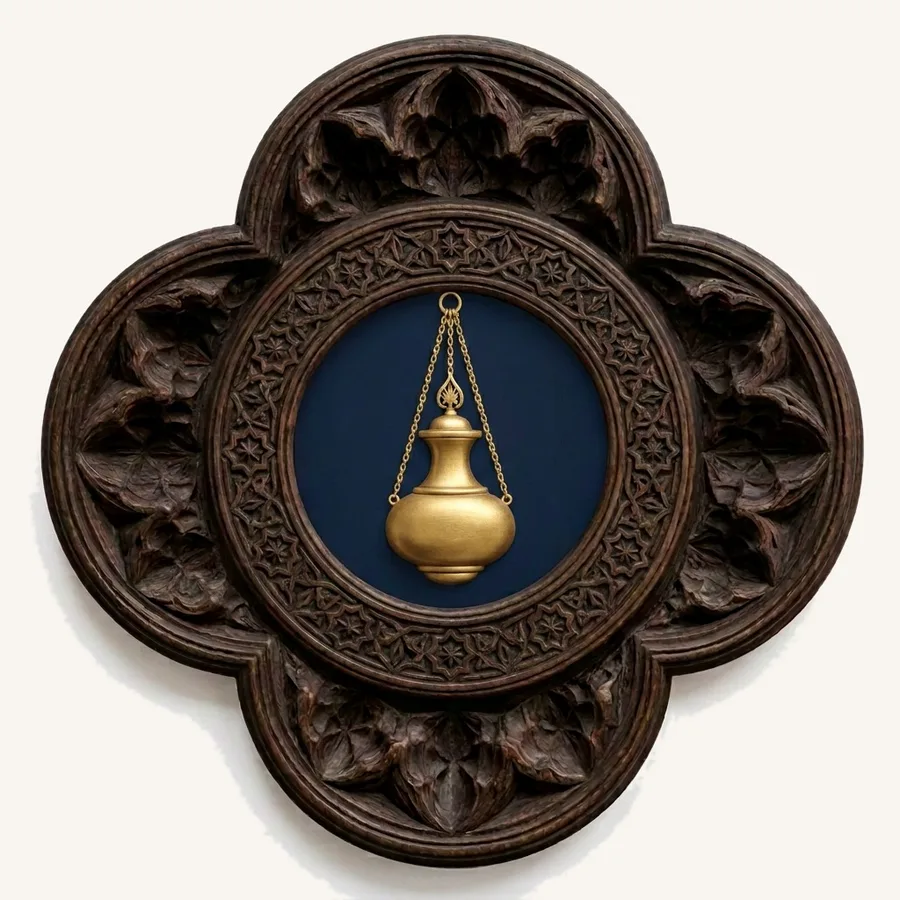
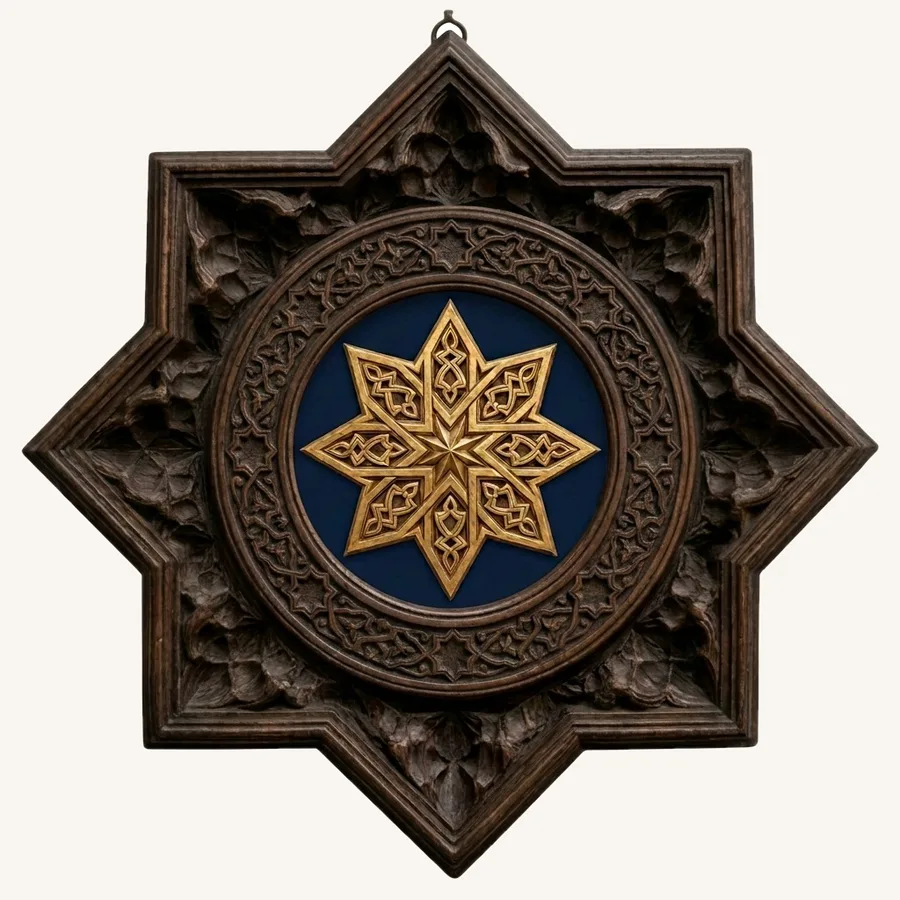
Supporting
For those who want to understand to whom they entrust their support, for what, and with which guarantees.
The stops
- The Charter
What binds the two houses and what remains each one’s own.
- The Ecosystem
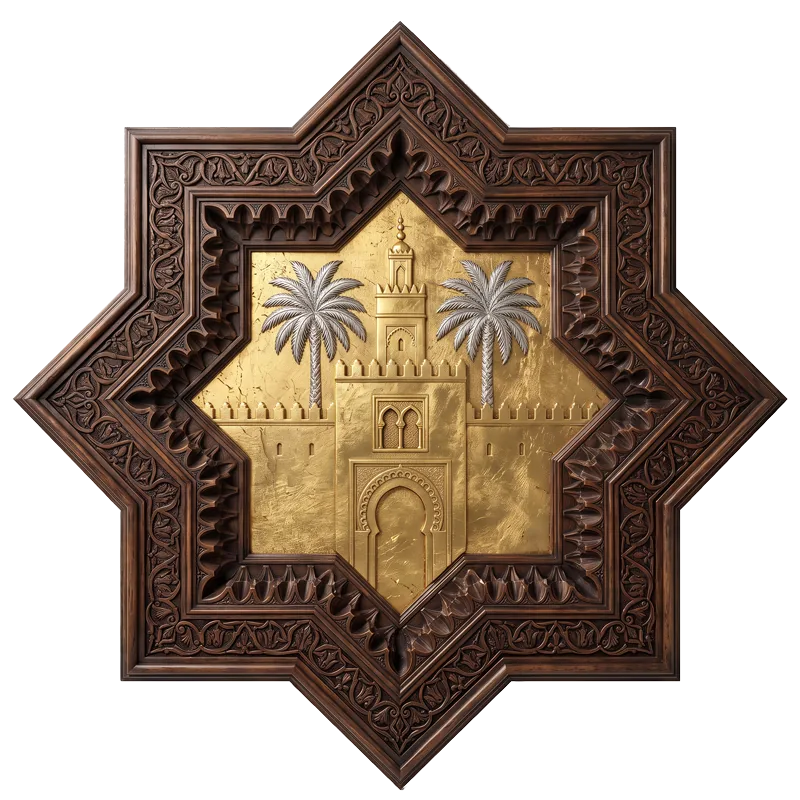
The map of the bodies: the houses, Al-Munya, An-Nudama, the workshops, each with its emblem.
- Support
The two doors, the keeping of a house and An-Nudama; the three commitments: purchase, restoration, endowment.
- Four bodies, one property
Separate accounts and incompatible offices: separation is every party’s guarantee.
See also: The safeguards
- Phases and timing
At the end of each stretch a decision to take, with outcome criteria fixed in advance.
See also: How to read the outcomes
- Conception and structure
Who conceived the Riad Al-Uns, the structures that will carry it, what is needed and the uncertainties that remain.
- An-Nudama
The company of the founders: ninety-nine, a closed number, with a fund of its own that supports the houses.
- Progress
Each house’s declared pace, phase by phase.
- The Scientific Committee
Who will review the houses’ data before it is published.
Learning and teaching
For those thinking of entering a house: how one lives there, what one learns, how one enters and what one takes away.
The stops
- The houses
The medina of Fez and the Hyblaean plateau: two architectures, one rule.
- A day at the Riad
The work of the crafts, the training of body and spirit, shared meals, silence.
See also: The day at the Funduq
- Dar al-Hiraf
Learning a craft by living beside the one who teaches it.
- The saddlery
The workshop the houses open with: leather, wood and metal around a single object.
See also: The saddlery tools
- The residence
One renewable year, up to three, under the rule of the house.
- How one enters
One is admitted by name, on one’s own request, without haste.
See also: Admission to the Funduq
- Becoming a master
The master who trained the journeyman decides, following the rules of the Fez guilds.
- After the training
One leaves with a craft and what is needed to begin, or stays in Ar-Riwaq, the stable community of young masters.
See also: Ar-Riwaq
- Masters and staff
For those who want to teach: the posts that will open once the house has a home.
- The chain of masters
From whom each master learned: the chain that carries a gesture to the present.
Studying
For those who read the rule as a text: its sources, its vocabulary, its precedents and the way it is tested.
The stops
- Two houses, one rule
Space, work, order and threshold: where the houses answer one another and where they differ.
See also: Nizam ad-dar
- The futuwwa
The ideal that gives the house its shape and direction.
- What a fondaco was
From the Greek pandokeion to the Arabic funduq and the Venetian fontego; and the Sicilian precedent.
See also: The Sicilian precedent
- The legal framework
The tools Italian law already offers every association, and the statute.
See also: The statute
- Air, water and shade
How a farmstead gets through summer without machines: the figures before the pictures.
See also: Natural cooling in Fez
- The chain of masters
The isnad applied to the craft: declared and attested are kept apart.
- The sources
The historical, documentary and scientific sources of the papers, in a single list.
See also: The glossary · Sayings and quotations
- Emblems and signs
The houses’ visual grammar: the emblems of the common series, the threshold emblems, the workshop signs.
See also: The signs
- The Scientific Committee
The expertise that will read the houses’ data, including the findings that contradict the theory.
Being a guest
For those who come for a retreat, to work in quiet, or to know a house at close quarters.
The stops
- Al-Munya, the guesthouse
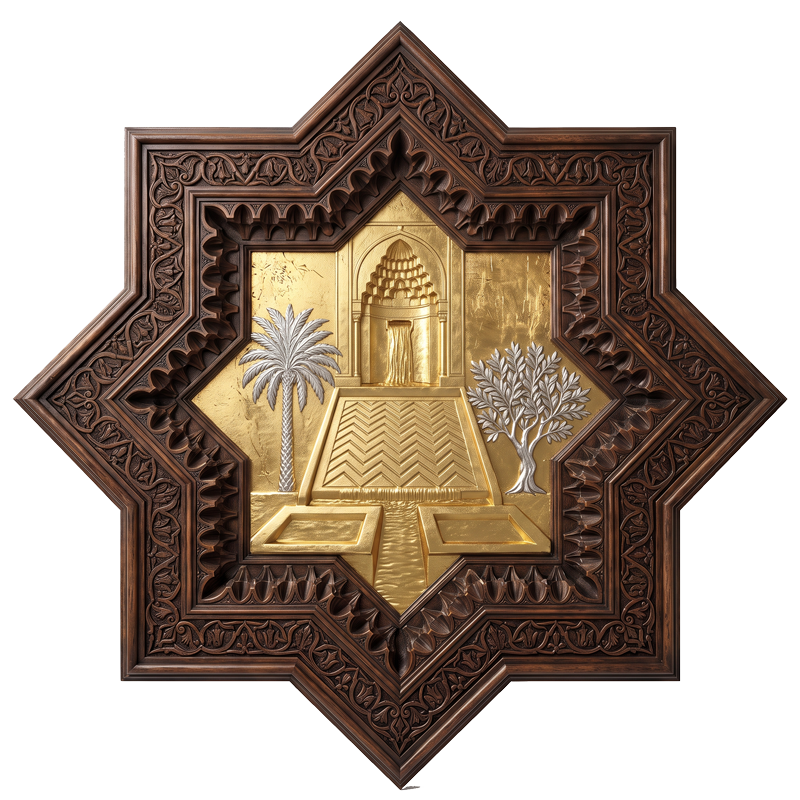
The house beside the house: its own entrance and estate, the same emblem in Fez and in Sicily.
- Dar al-Asl
One is a guest there by invitation of the community, free of charge.
- Dar al-Diyafa
One stays at one’s own expense: the nudama and the guests each of them introduces.
- The stay
Few guests at a time: it is the first thing the house offers.
- A short stay at the Riad
Three to seven nights in the rhythm of the house, with no commitment.
See also: Hospitality at the Funduq
- Commissioning a gesture
Al-Munya is furnished over time with the work of the nearby workshops.
- Writing to the house
Whoever writes states the reason: a stay, an introduction, a question.
To follow closely
Those who simply want an idea will find short answers in the Questions. Those who want to follow the project over time can subscribe to the Newsletter: a few letters a year, in the language they choose.