The Charter
Al-Mīṯāq is the charter that binds two houses of the crafts and makes them recognisable to one another.
Two houses, one rule
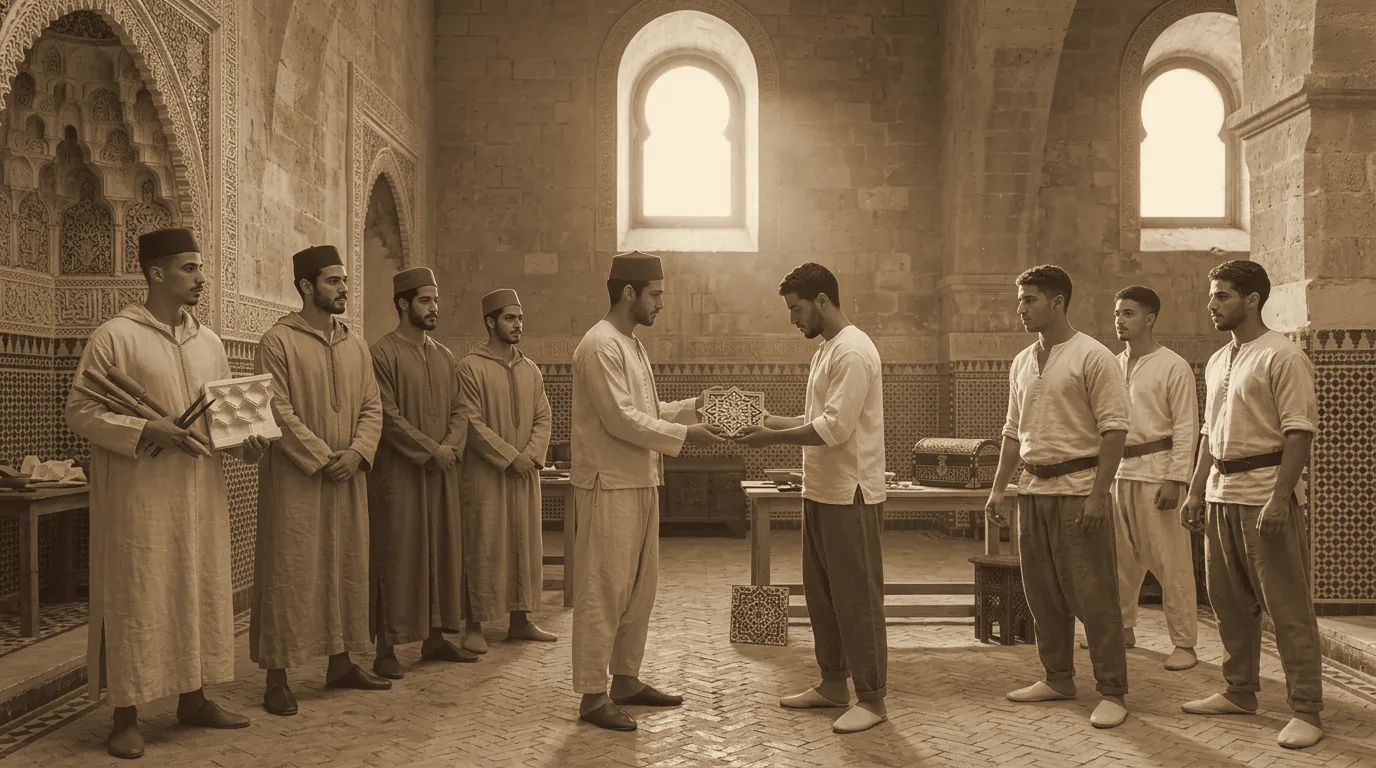
The Riyāḍ al-Uns in Fez and Al-Funduq aṣ-Ṣiqillī in the province of Ragusa are two houses of the crafts in which masters and ṣunnāʿ will live and work, founded on the same rules, the nizam ad-dar. Members sign it on entering. Beside each will stand Al-Munya, the guesthouse, with its own entrance and its own property.
The rule sets the rhythm of the working hours and gives guidance on conduct in the common rooms, on apprenticeship, on the ownership of the instruments of work and on internal arbitration. One enters by admission and leaves freely.
“What unites them is the statute; what distinguishes them is the threshold.”
Kindred houses, not twins
In Fez, a patio house in the medina, still to be found, whose architectural spaces will translate an inner order rooted in tradition. In Sicily, the house planned in an Iblean masseria will have a secular threshold and will receive people of different faiths and cultures. Life will take different forms, but the charter remains common.
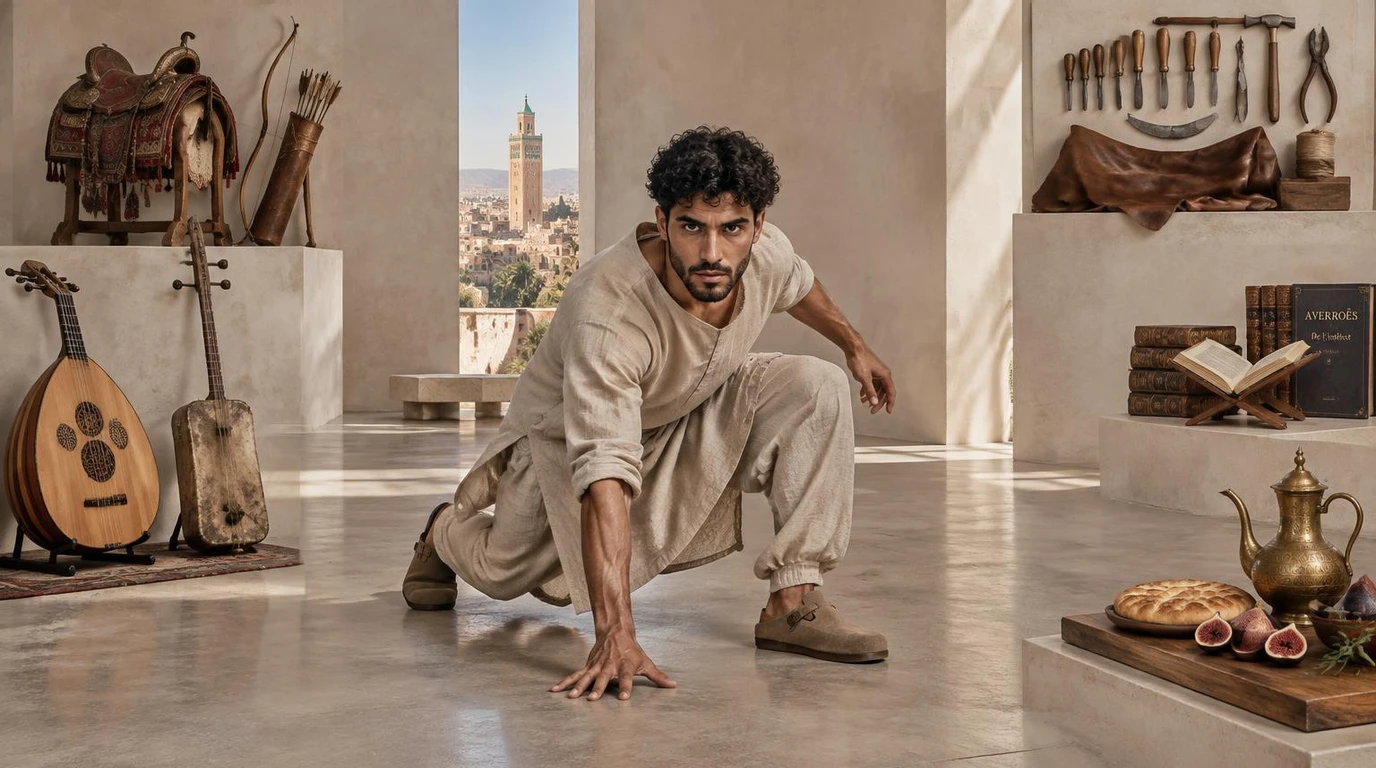
The ruleHomo faber, the integral artifex
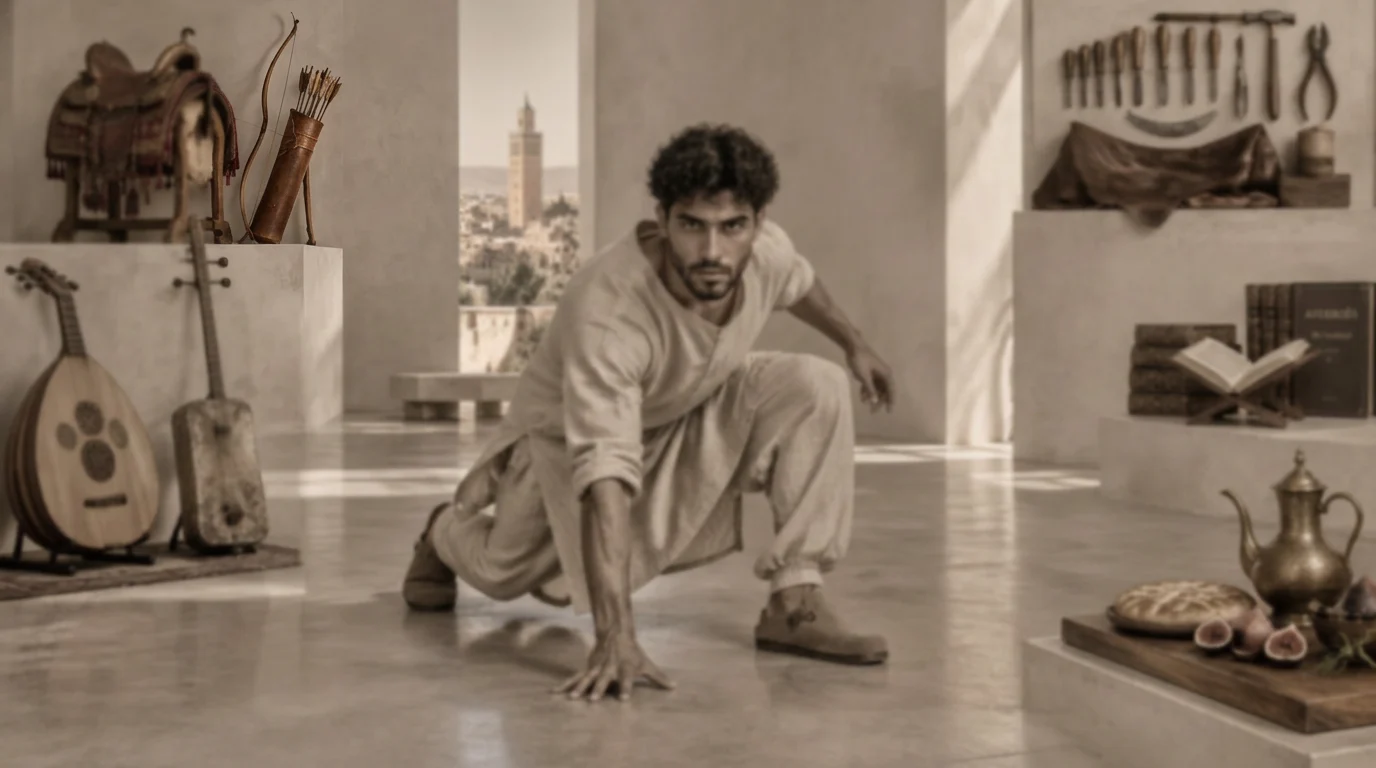
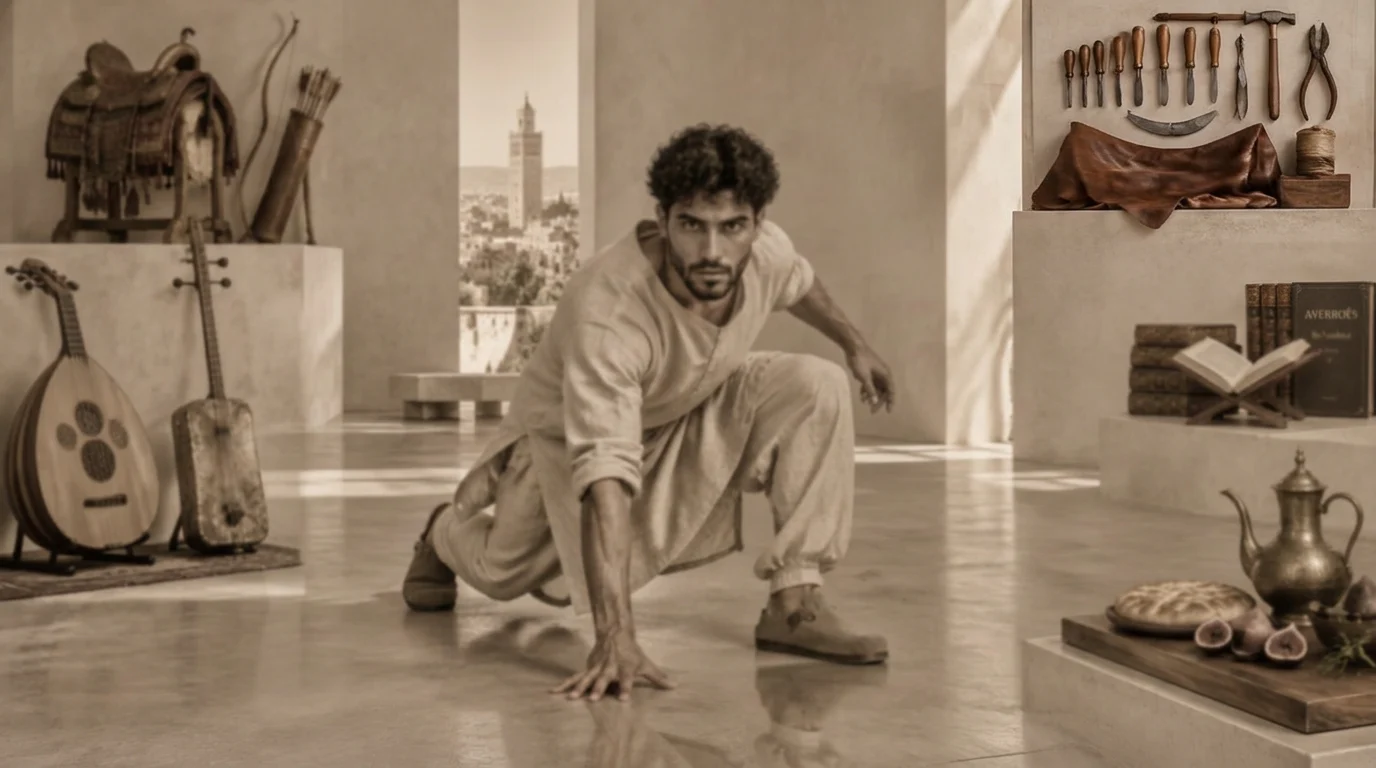
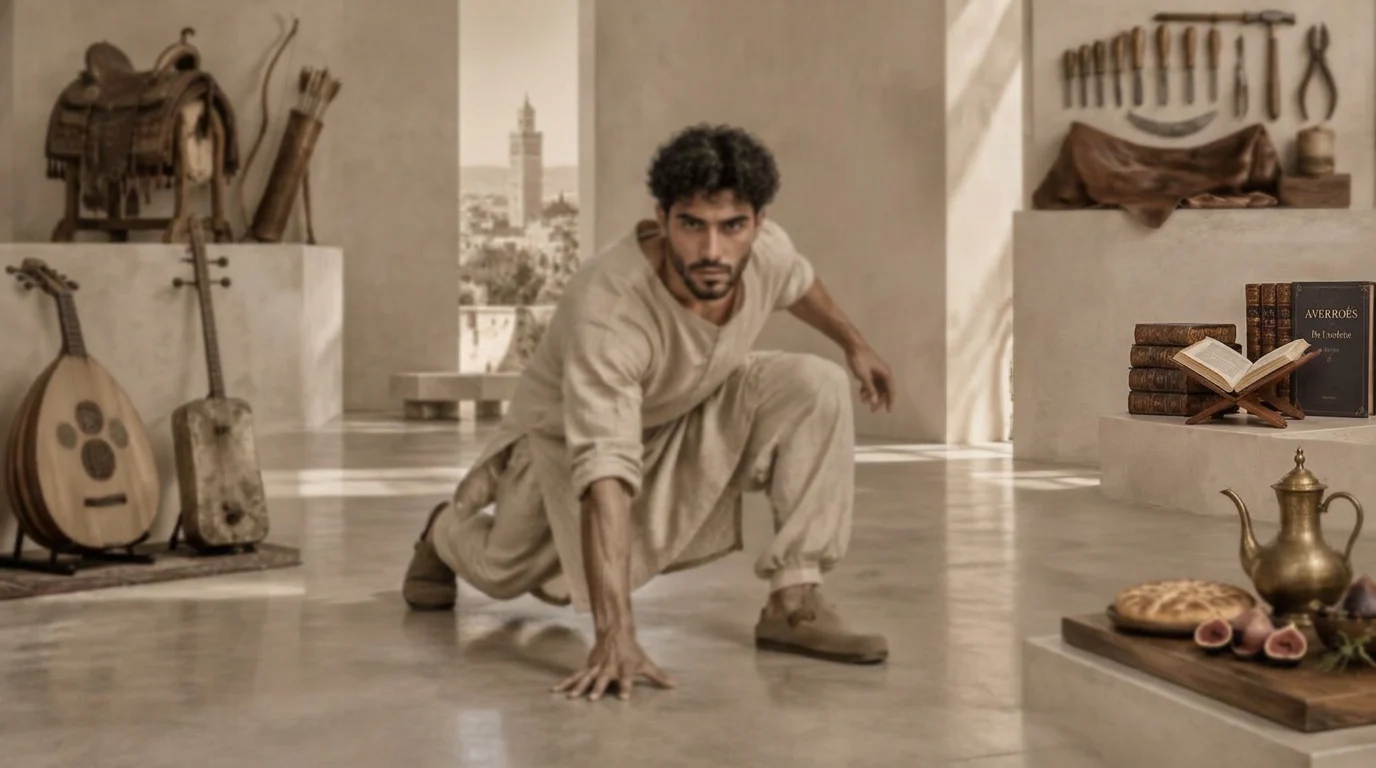
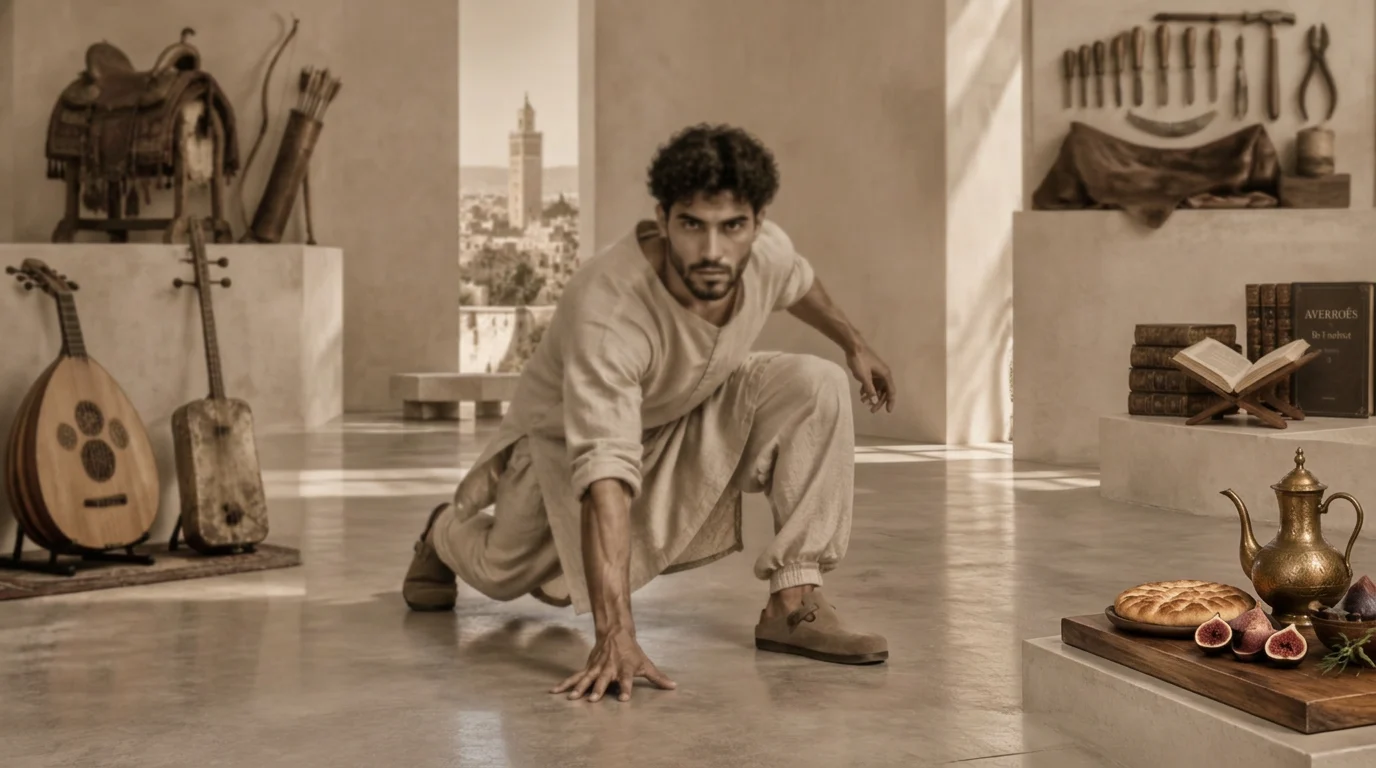
The houses will form a whole man: hand, body, mind, table and voice grow together, and none of them is cultivated at the expense of the others.