How one enters
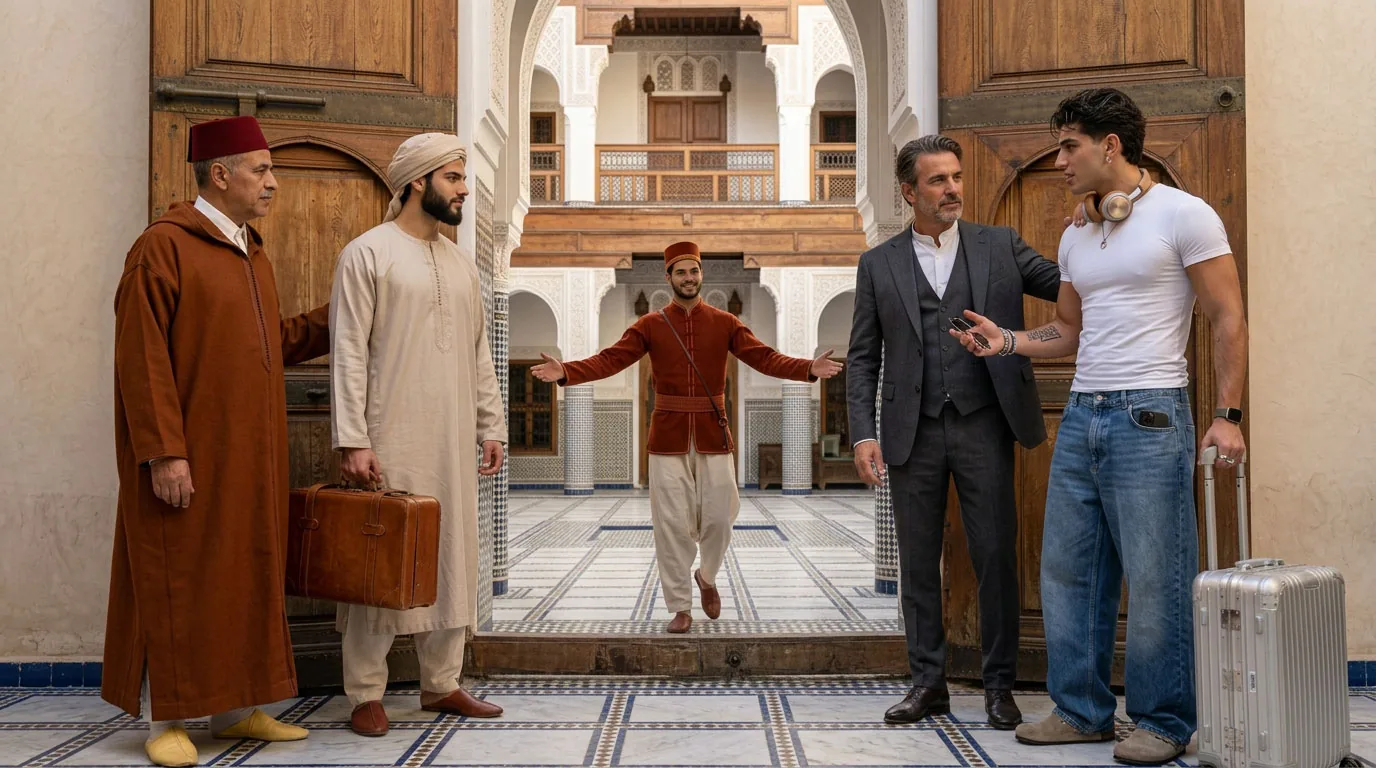
A simple path, without haste. One does not buy a place; one approaches a house that already has its rhythm.
Riad Al-Uns is in preparation. Bookings and enrolments are not yet open; we are gathering expressions of interest for the future short stays, craft immersions and the residential path.
That does not change the rule. One does not enter by number or by urgency. The house is a traditional dwelling and an intentional community of human scale, where one lives, prays, works a craft and shares the table and the silence. One does not book a room there and one does not enrol online.
The three paths are autonomous and reserved for adults. The final conditions will be communicated before the opening, after a first serious exchange and not by means of a public form. → Frequently asked questions
THE PATH
Six gestures, without haste
The same way of approaching the house holds for each of the three paths, without one being a required step toward another. One reads first. One writes next. One does not force the door.
1
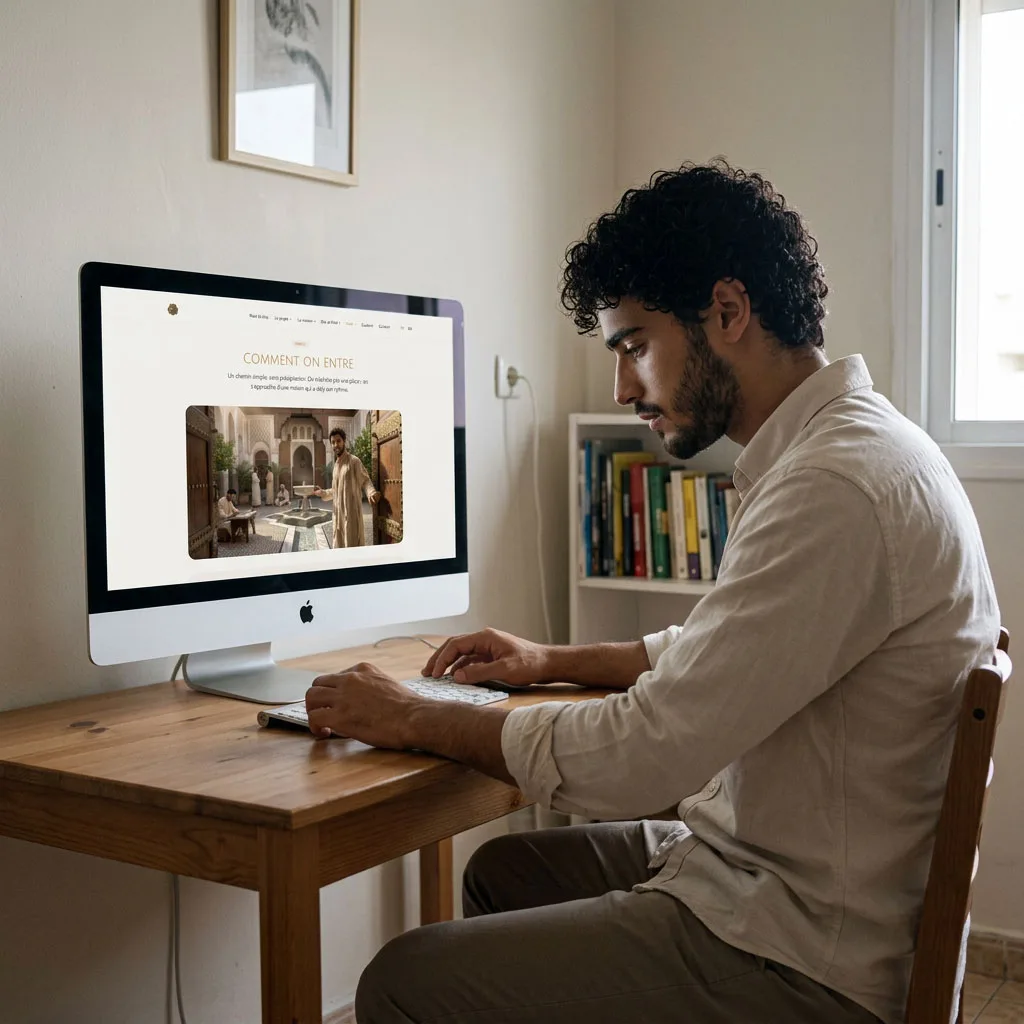
Read
Before writing, read enough to know where one believes one is entering. The project is not a tourist stay. Dar al-Hiraf is not an initiation workshop. The futuwwa is not a slogan.
Useful pages: the project, who we are looking for, the rhythm, the futuwwa, the glossary.
2
Write
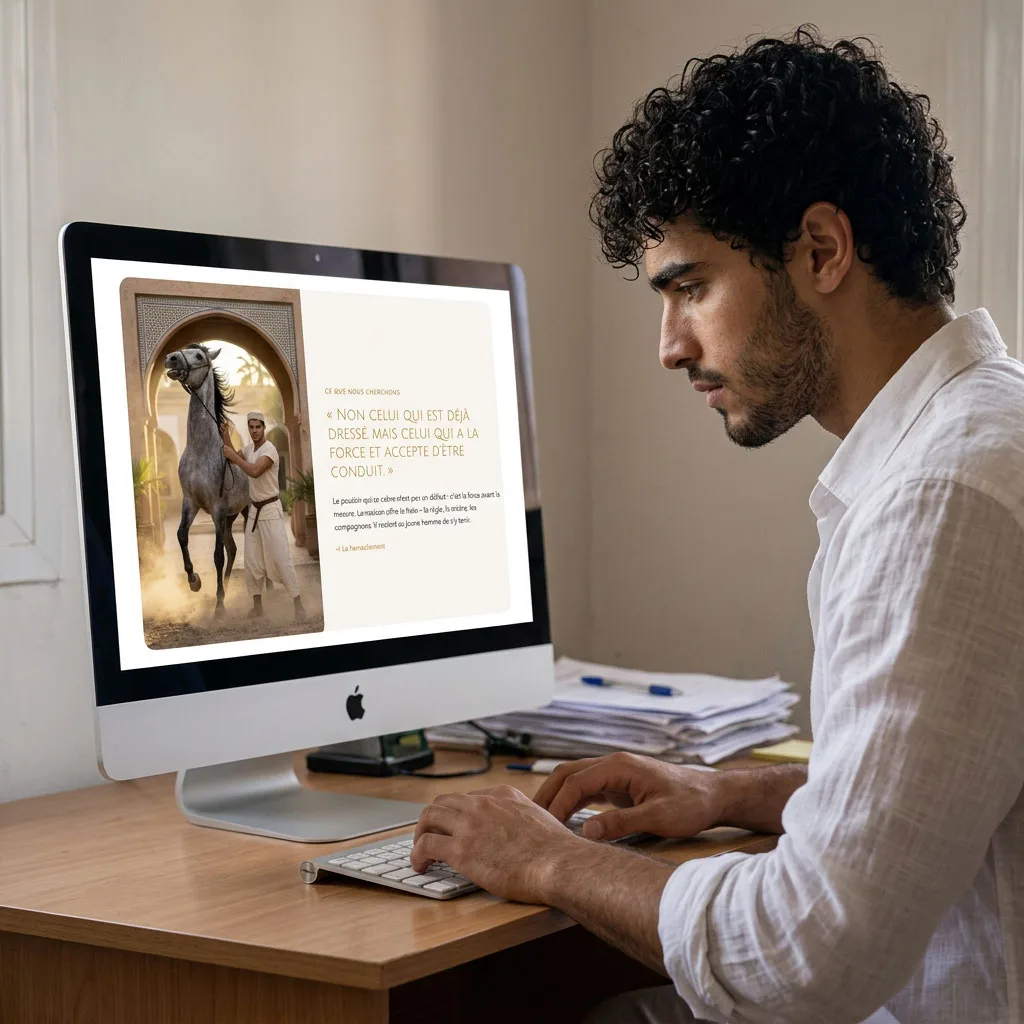
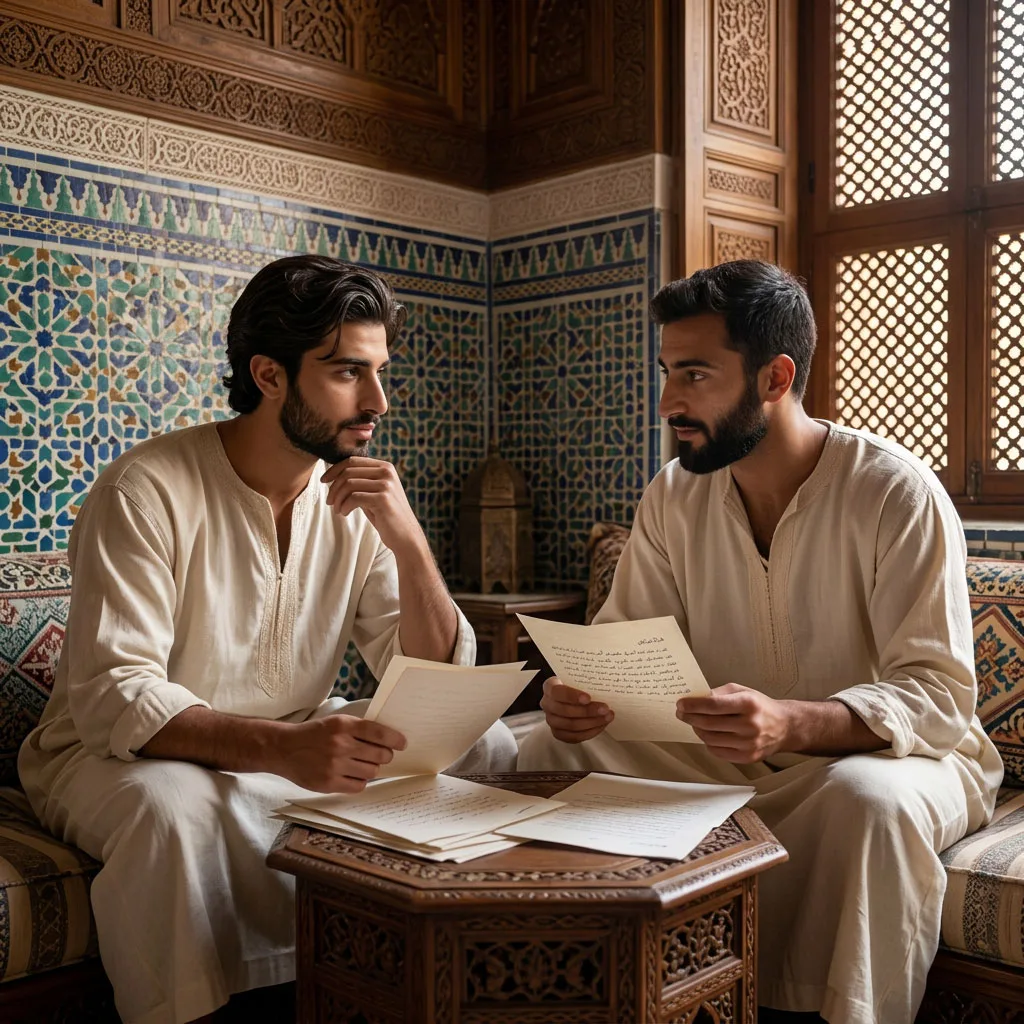
A clear message is enough. Who you are. What you wish to know — short stay, craft immersion, residential path or something else. What you have already understood of the house. No long file with the first sending: length will come, if needed, after the exchange.
→ One writes to the house from the Contact page of the portal.
3
The exchange
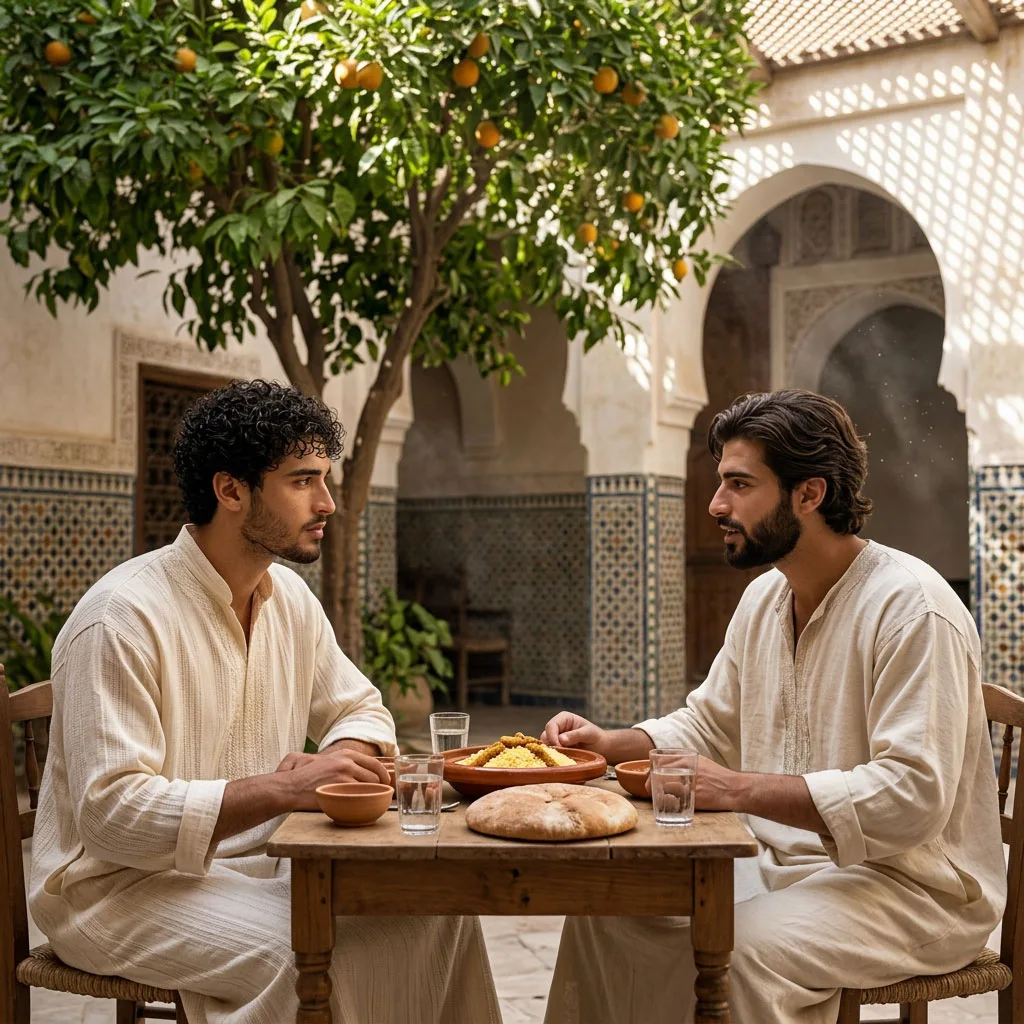
The house replies. The dialogue allows one to understand whether the request and the rhythm of the place are in harmony. It is a measure of seriousness on both sides, and neither a job interview nor a worldly selection. A refusal is not an insult; an acceptance is not an acquired right.
4
Two autonomous experiences
The stay and the craft immersion each have a purpose of their own:
• Short stay — three to seven nights in the rhythm of the house, without a training programme.
• Craft immersion — two to six weeks with a master, in a single chosen craft. It may precede an application, but it does not guarantee admission.
5
The residential path
The long formation: an initial trial period of one to three months, followed by a renewable annual cycle, as a rule for up to three years. It is reserved for adult unmarried men and joins craft, common life, prayer, discipline, service and responsibility.
→ The residence
6
The horizon: Al-Athar
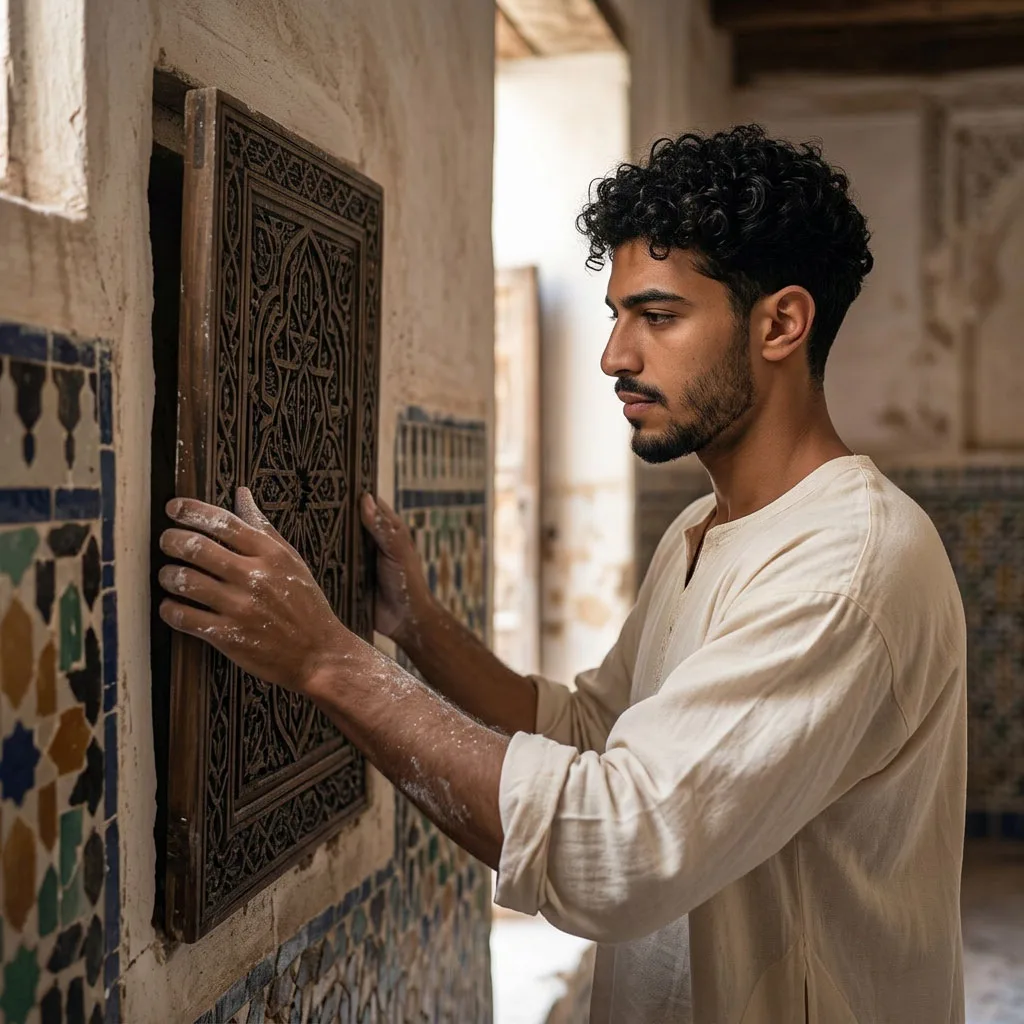
One does not leave the residence without having left in the walls a work of one’s own hand, received by the master. It is the formation arrived at its term, and not a ceremony added on. What then remains is not a vain honorary title — it is a malaka and a useful trace.
→ Al-Athar · → After the residence
THE THREE PATHS
What one may ask for
Three autonomous paths, with different purposes and durations. From the first message one specifies which one wishes to know, without treating them as required stages of a single road. The guest of Dar al-Diyafa (the house of hospitality within Al-Munya) is another category: he does not enter by these three doors.
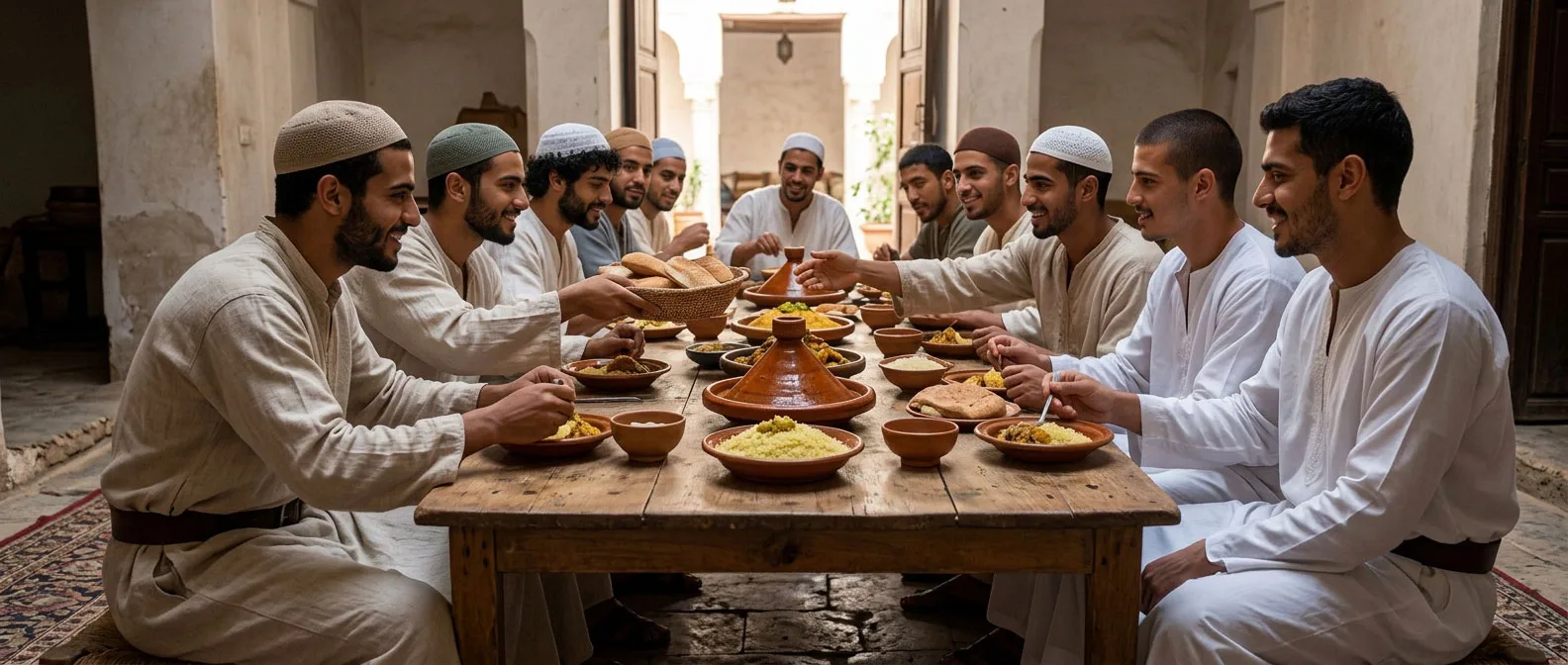
Short stay
Three to seven nights for adults who wish to know the rhythm of the house, without a training programme.
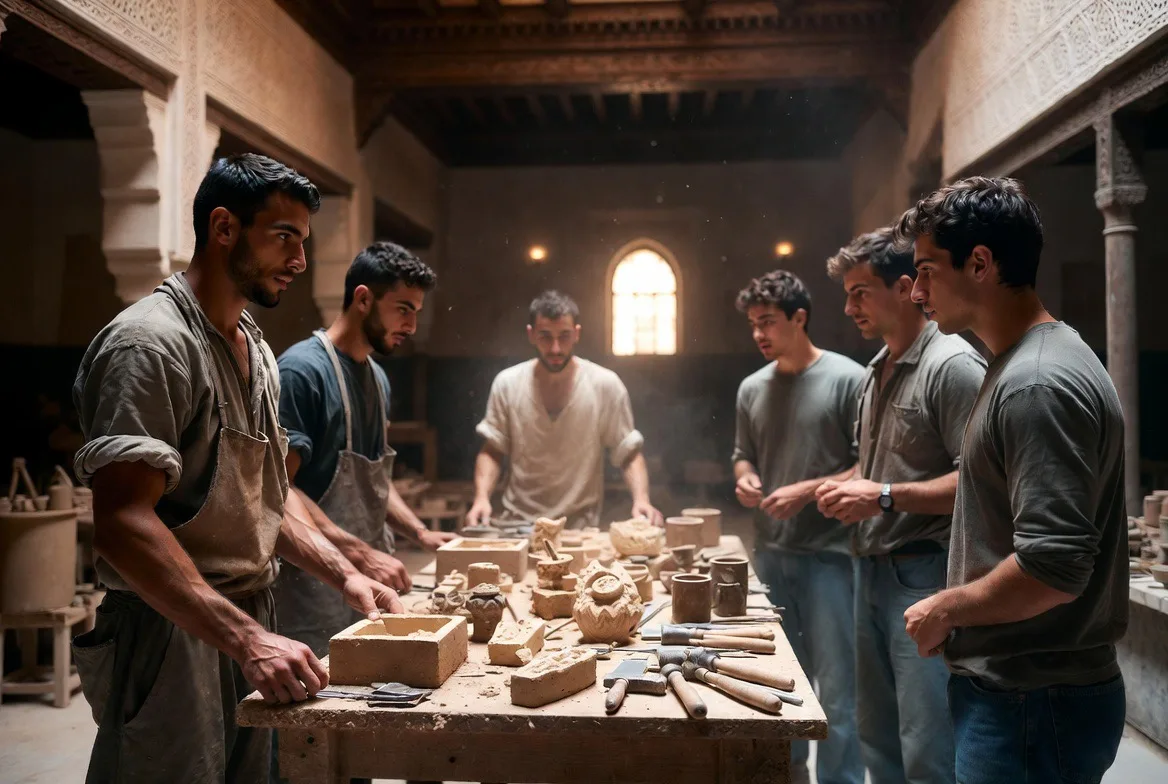
Craft immersion
Two to six weeks, for adults, beside a master and in a single craft.
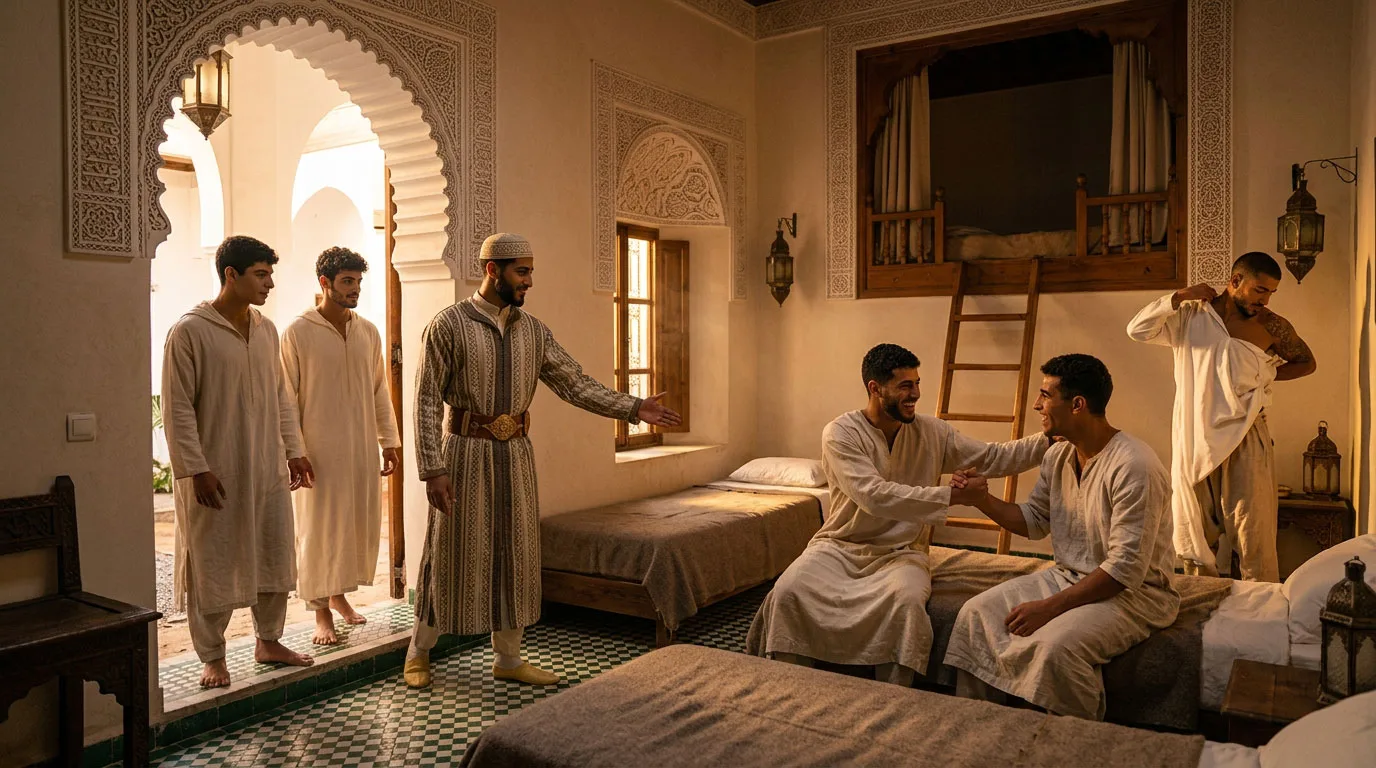
Residential path
For adult unmarried men: an initial trial, then a renewable annual cycle.
WITHOUT OTHER CONDITION
What one is, not what one buys
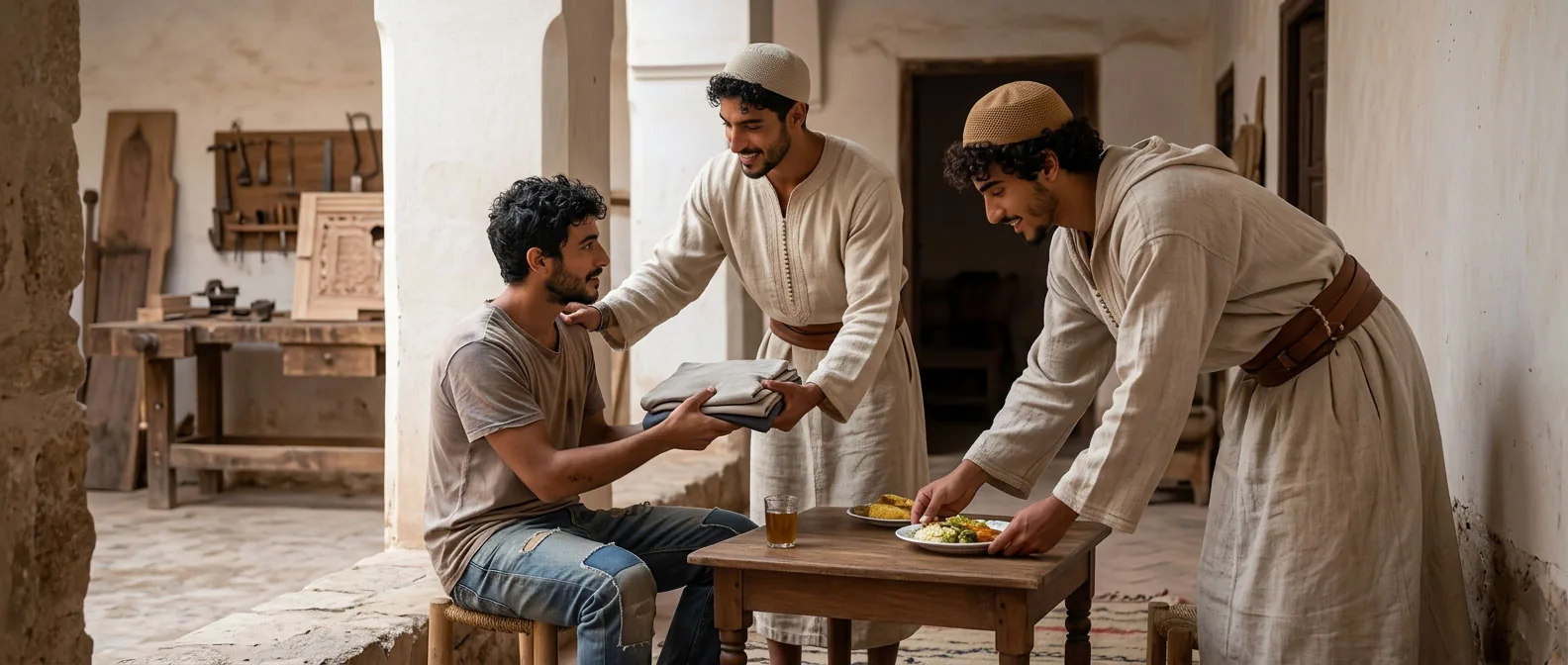
Young men who are poor or in a situation of precarity are received at the Riad with no other condition than their compatibility with the principles of the futuwwa and of the furūsiyya. They may remain for a limited time, or for the duration — according to their capacity to enter the common life and their will to learn a craft.
At the Riad the judgement bears on what one is, and never on what one can buy — in act and in potency. It falls to the house to bring these aspects of personality and character into flower, including in the one who has not yet had the possibility.
The rule holds in the other direction with the same rigour. The son of a considerable family is received, or is not received, on the same opinion as the man who arrives without a name, and no fortune, no recommendation and no gift advances him by a single degree once he is inside. A house that made an exception for him would have nothing left to teach him.
→ Charity and service · Futuwwa · Furusiyya
ANOTHER HOUSE
The guest of the Munya
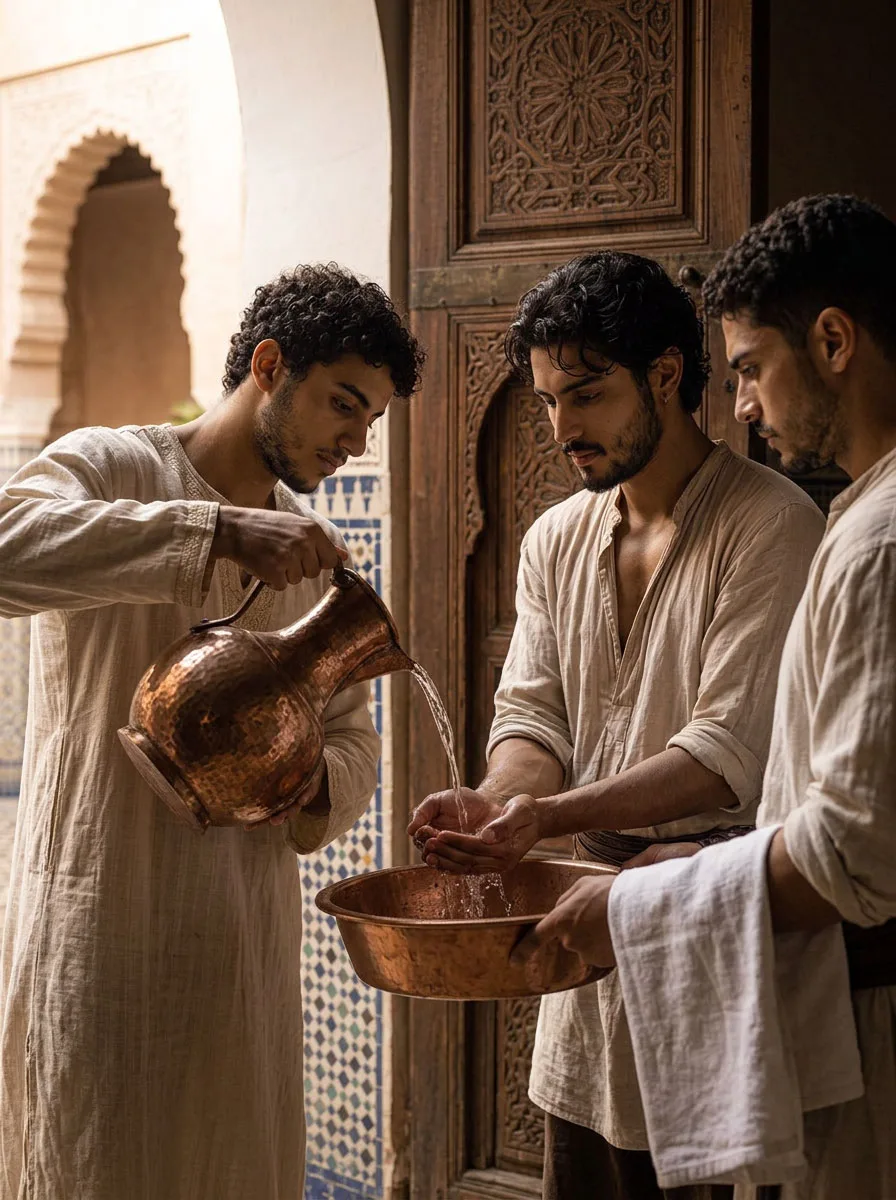
Al-Munya — the house beside, with its own door. Dār al-Aṣl receives without charge those whom the House invites; Dār al-Diyāfa, the house of hospitality, receives for payment the nudamāʾ and the guests they present. One does not enter it by form.
The guest of the Munya is neither the visitor of the Riad, nor the participant in an immersion, nor the resident. A possible passage toward the Riad — by the single door of the common wall, which opens from the Riad’s side — remains a gesture of those who live there, under conditions set by the house. It is not a right of the invitation, nor a prerogative of money.
His formation is not that of craftsmanship, nor of the trades of Dar al-Hiraf. It bears on character and personality. There one forges — in the school of humility and of discipline — a man capable of exercising a charge: a member of the governing class of the Kingdom, not by displayed rank, but by service.
Even for a few days, and by periodic stays, one accompanies him on the path that shapes his person: the sense of community, the spirit of service, charity toward those who have not, loyalty, honour.
→ Al-Munya, the adjoining dwelling, here in the portal.
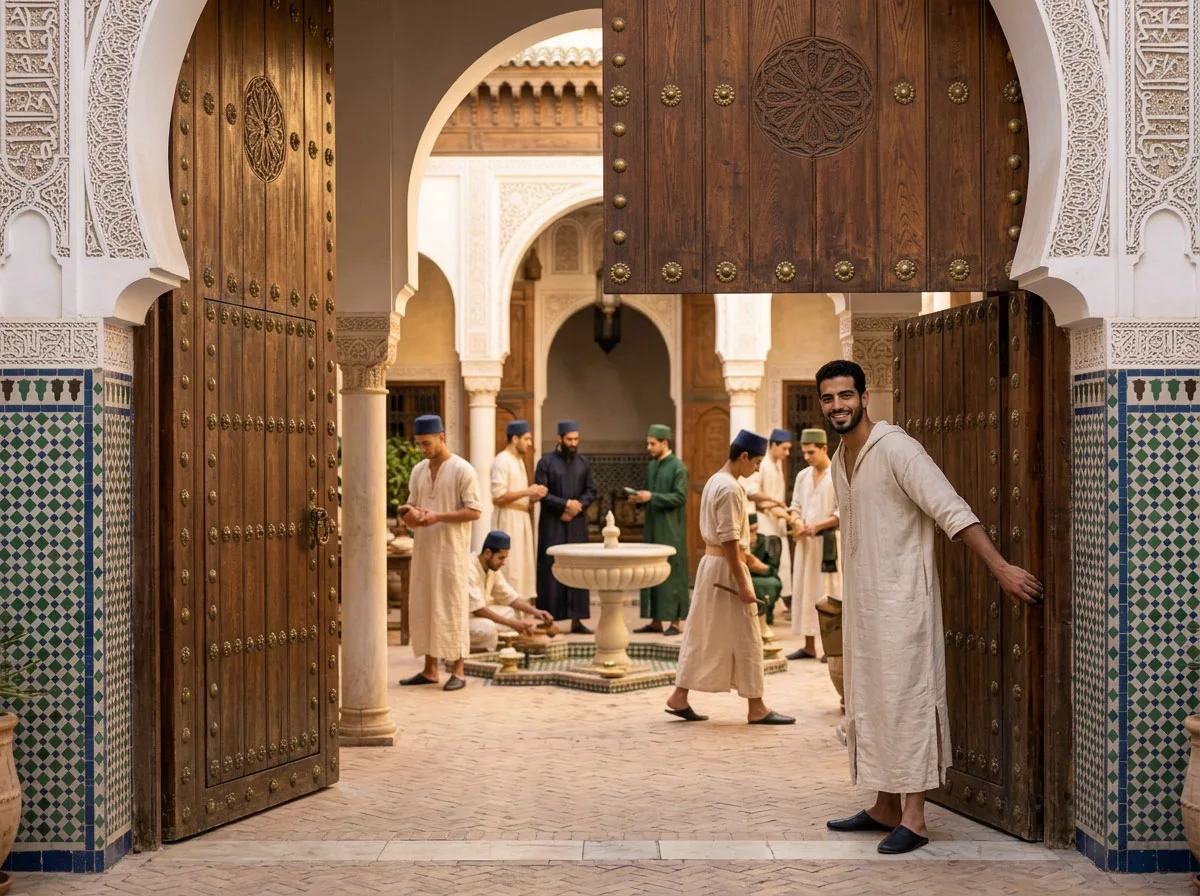
What the house does not do
• It does not open a public form, nor a waiting list.
• It does not sell a place, a status, nor a “network of former residents”.
• It does not communicate the full rule before a serious exchange.
• It does not confuse the guest of the Riad, the participant in an immersion, the resident and the guest of the Munya.
• It hurries no one: the rhythm of the house takes precedence over the urgency of the one who asks.
The motto holds for the entrance as well.
الرِّياضُ لِأَهْلِهِ، لَا أَهْلُهُ لِلرِّياضِ
ar-riyāḍu li-ahlihi, lā ahluhu li-r-riyāḍ
The words of this page are in the common glossary; the works cited in the sources; the sister house is Al-Funduq aṣ-Ṣiqillī.