RIAD AL-UNSرياض الأنس
RIYĀḌ AL-UNS · THE PROJECT

Family and community

Formation is not separated from preparation for the hearth. The man capable of exercising a craft must also be capable of keeping a house.

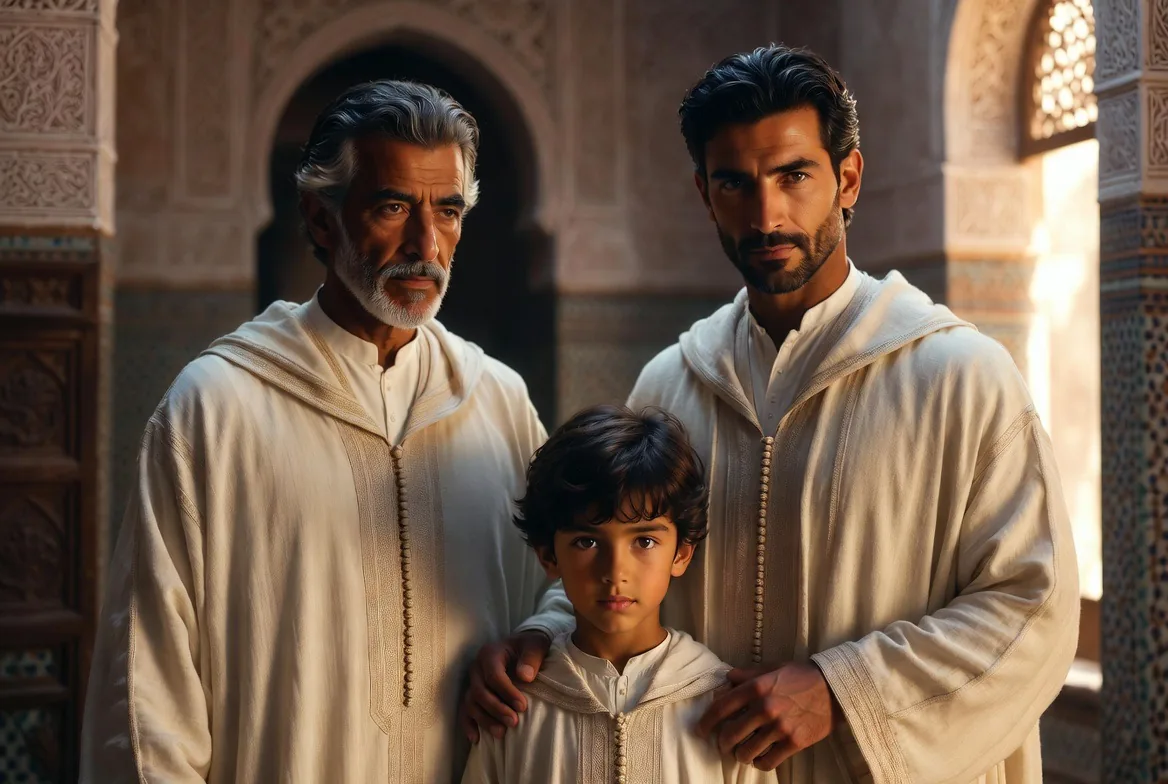
The madrasa al-ūlā — the first school — remains the family. Dar al-Hiraf and the Riad form men for generational continuity, not for a life isolated from the world of the hearths.

كُلُّكُمْ رَاعٍ وَكُلُّكُمْ مَسْؤُولٌ عَنْ رَعِيَّتِهِ، وَالرَّجُلُ رَاعٍ عَلَى أَهْلِ بَيْتِهِ وَهُوَ مَسْؤُولٌ عَنْهُمْ

“Each of you is a shepherd, and each of you is responsible for his flock; the man is the shepherd of his household, and he is responsible for it.”

Prophetic tradition — Ṣaḥīḥ al-Bukhārī, no. 893; Ṣaḥīḥ Muslim, no. 1829

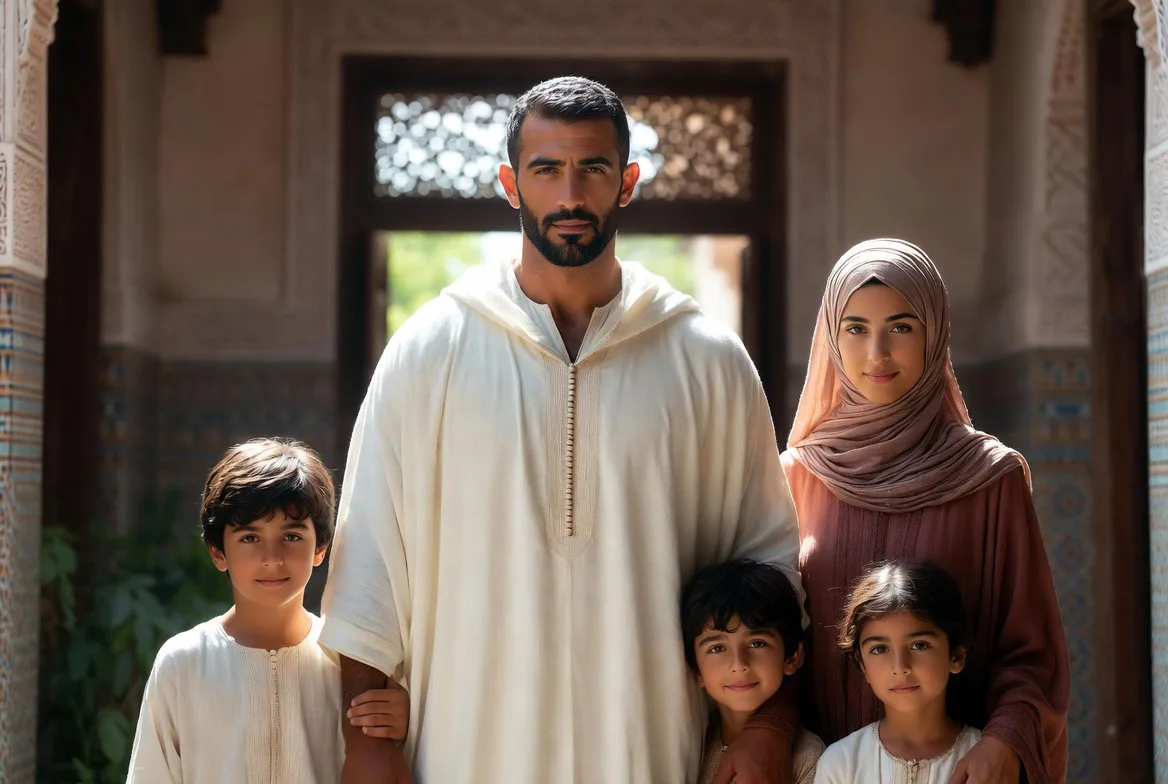
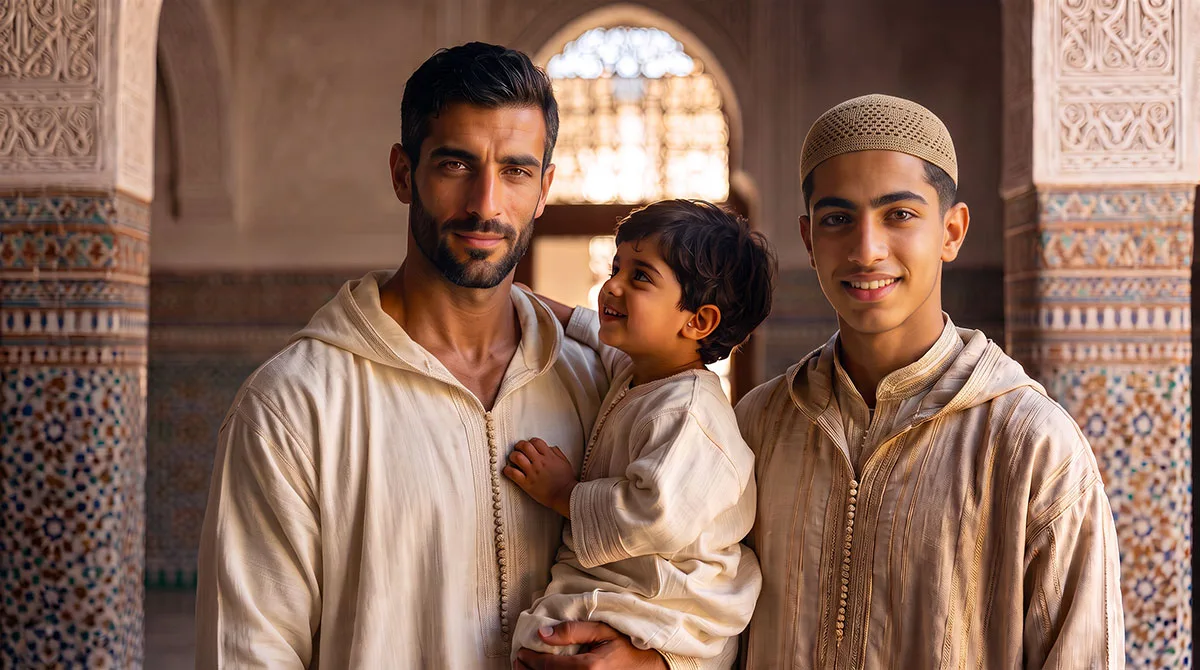
To honour a woman, to raise children, to transmit a craft and to keep one’s word: it is the same movement as that of apprenticeship. Tradition says it (Jāmiʿ al-Tirmidhī, no. 3895): the best of you are those who behave best toward their own family. The community of the Riad is inscribed in this logic.

وَمِنْ آيَاتِهِ أَنْ خَلَقَ لَكُم مِّنْ أَنفُسِكُمْ أَزْوَاجًا لِّتَسْكُنُوا إِلَيْهَا وَجَعَلَ بَيْنَكُم مَّوَدَّةً وَرَحْمَةً

“And among His signs is that He created for you, from yourselves, spouses, that you may find rest in them; and He placed between you affection and tenderness.”

Qur’an, sūra al-Rūm 30:21
In the craft corporations of the traditional Maghreb, the craft was rarely transmitted outside the family: the son inherited the gesture of his father together with his name. The futuwwa did not separate the workshop from the hearth — it held them together, as a single chain of transmission.

The man who leaves the formation is prepared to become the pillar of a house: capable of working with his hands, of keeping his word, of protecting and of transmitting.

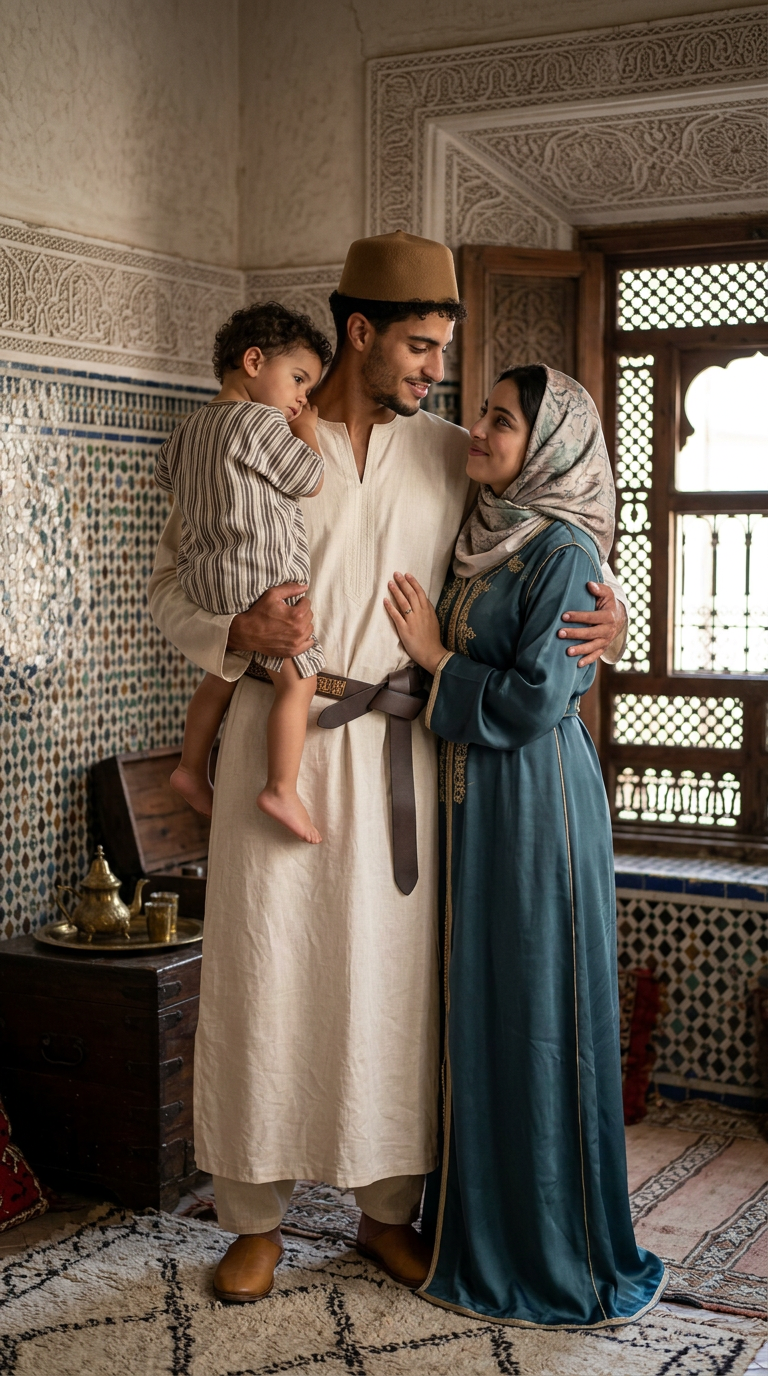
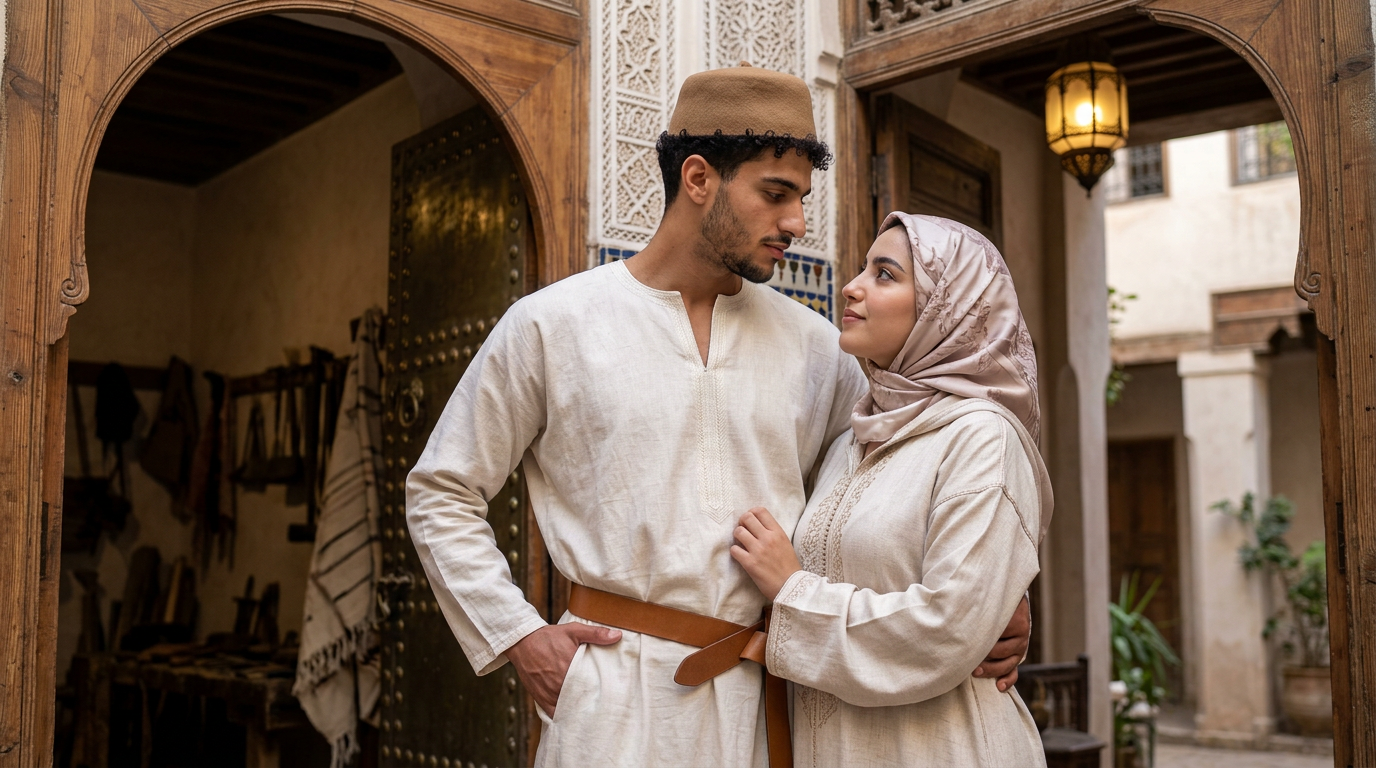
During the years of residence, the marriage promise (al-khitbah) contracted by the families is the living proof of this: the apprentice labours at the forge or at the bench already turning his gaze toward the bride and the threshold of his own hearth. In the parlour of the house, and nowhere beyond it, that meeting is kept.

This is therefore not a house of men who keep away from women. Celibacy lasts as long as the formation, and the formation is ordered to marriage: the promise is made between the families while the young man is still at the bench, the betrothed is received in the parlour accompanied by her mother or her kin, according to the custom and the decency of the ʿurf, and the wedding comes when he has become maʿallem and can keep a workshop and a house. Whoever leaves here has renounced nothing: he has learned to make himself worthy of it.

The family is the cell of society: the apprentice learns to build today the hearth he will light tomorrow.

La casa come orizzonte

The house as horizon

To form a man is to make him capable of founding. The house, the rule, the crafts, the futuwwa converge on this point: not isolation, but the capacity to keep a hearth. The formation prepares a man to exercise a craft, to keep his word and, one day, to have a family. What is built here is a capacity to found, to hold and to keep.

La famiglia e la comunità

Generational continuity

Each generation receives and transmits. The craft, prayer, the table, respect for elders: it is not a programme, it is a chain. The Riad inscribes itself in this chain without breaking it. It is called Tradition.

La vita comune nel patio della casa

Community of presence

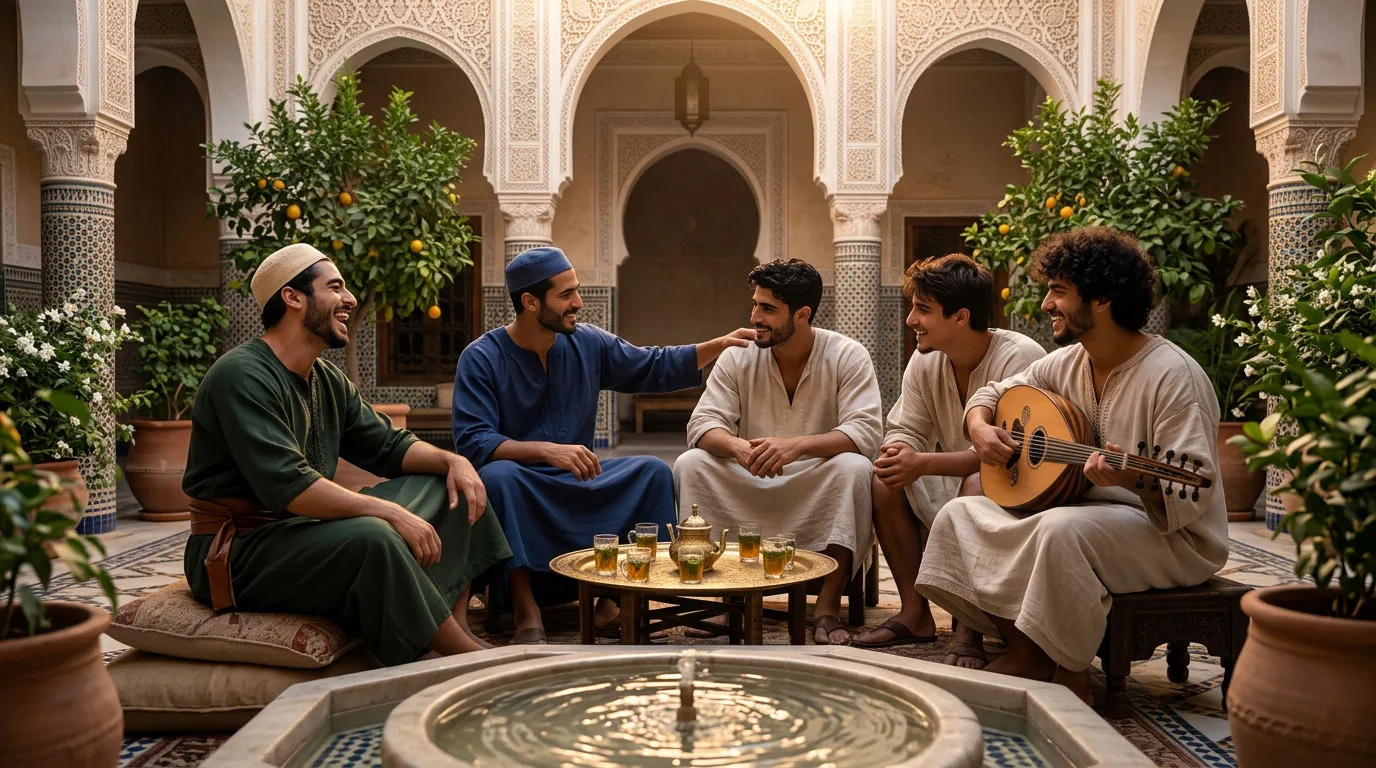
The common life of the Riad is the apprenticeship of life in community, and not an alternative to the family. Shared rhythm, responsibility, fidelity to one’s word — the same requirements, at another scale. It is the same movement that describes the day of the Riad, and that Dar al-Hiraf forms from the hand to the spirit.

L’uomo capace di farsi carico delle proprie responsabilità

Uprightness and responsibility

The model of the Riad is that of the man capable of taking on his responsibilities alone — craft, house, word given — and of committing himself for the long term. Not a floating individual: a steady man with deep roots.

The words of this page are in the common glossary; the works cited in the sources; the sister house is Al-Funduq aṣ-Ṣiqillī.

CORRESPONDENCE

A conversation can begin here.

Write to us