Wrestling
Body to body, respect, measure. A tradition of formative combat.
وَلَقَدْ شَفى نَفسي وَأَبرَأَ سُقمَها قَولُ الفَوارِسِ وَيْكَ عَنتَرَ أَقدِمِ
“My soul was healed, its sickness eased,
by the horsemen’s cry: ‘Woe to you, ʿAntara, forward!’”
ʿAntara ibn Shaddād, Muʿallaqa
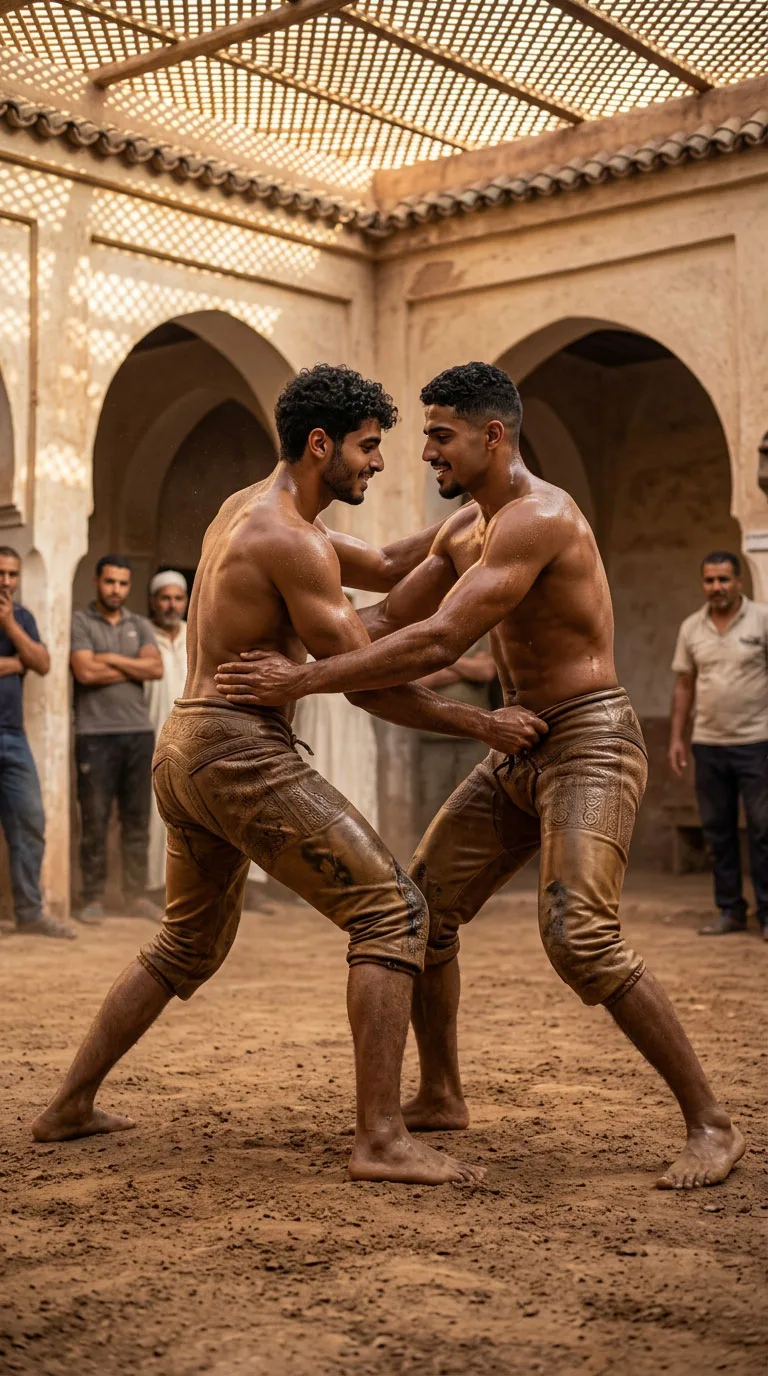
Wrestling teaches the opposite of violence: respect for exact measure, mastery of the move that could wound and is held back. Body to body with a brother, it is a school of restraint as much as of strength.
This practice belongs to a tradition far older than the Riad: muṣāraʿat al-nūba, Nubian wrestling, already traced in the tombs of ancient Egypt and still alive today in Sudan, where it remains, after football, the second public discipline of the body. It is fought standing, on sand: only the controlled fall of the opponent counts.
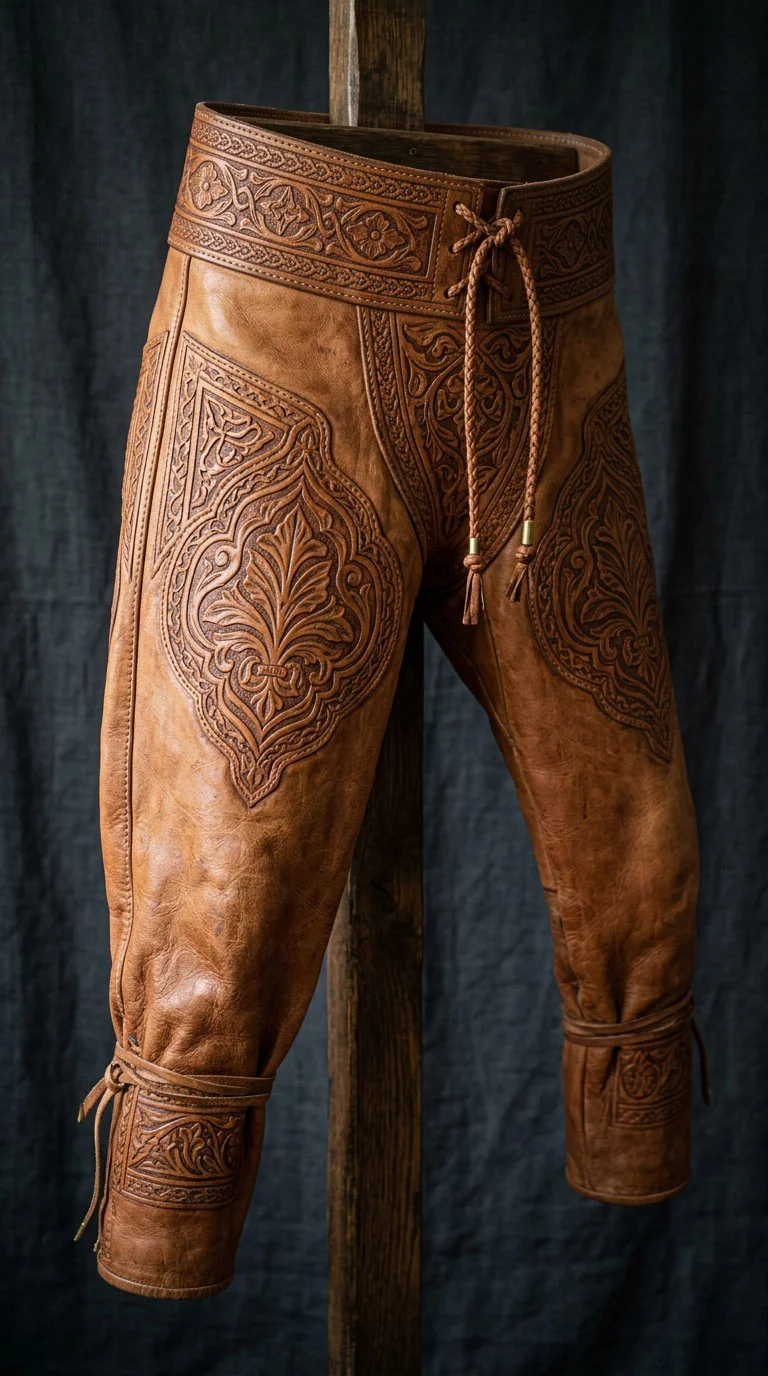
Beside this standing wrestling, Dar al-Hiraf keeps a second form, of Ottoman lineage: yağlı güreş, oil wrestling in which the hold continues on the ground. It keeps its worked-leather trousers (kispet) and the ground work, without the oil. The two schools stand side by side, two gestures under the same demand for measure, and the ground form belongs to the house’s inner training.
See also The furusiyya→.
The words of this page are in the common glossary; the works cited in the sources; the sister house is Al-Funduq aṣ-Ṣiqillī.